














Neurology News Network for the week of November 3, 2018.
Neurology News Network for the week of November 3, 2018.

In clinical trials, differences in the use of cholinesterase inhibitors and memantine between treatment and placebo groups may lead to the conclusion that a treatment is effective when it is not, or vice versa.

Although treatment needs to be assessed in a larger trial, it also showed improvements in 2 measurements of functional ability.

The compromised microvascular and insulin receptor signaling pathways seen in Alzheimer disease have been shown to be reduced or normalized by exposure to antidiabetic therapies.

Trial results showed a reduction of 61% in disease progression in both primary efficacy endpoints measuring cognition and activities of daily living at 14 months.

Striking findings are a call for public policy and research initiatives for aging populations with neurologic conditions.

Zonisamide improved Parkinsonism as an adjunct to levodopa in patients with dementia with Lewy bodies in phase 3 trial.

As well as showing a positive impact on patient daily living and cognitive decline, data also confirmed SIGMAR1 and COMT as biomarkers of response to the therapy.

Within the defined amyloid-tau-neurodegeneration framework of Alzheimer disease, the investigational agent has displayed a hopeful effect on all 3 pieces.

The current president of the American Neurological Association specifically mentioned the work some groups are doing with small molecule imaging methods to help with this issue.

The director of the Center of Neurogenetics at Weill Cornell Medicine spoke about the wealth of improvements that have really turned this area of medicine into a much more hopeful one.

Neuropsychiatric symptoms are now recognized as hallmarks of dementia and are important targets for the development of effective treatments.
Neurology News Network for the week of October 20, 2018.

Patients under the age of 65 were not shown to derive benefit from DBS, but researchers noted that this doesn’t mean it is not helpful for older patients.
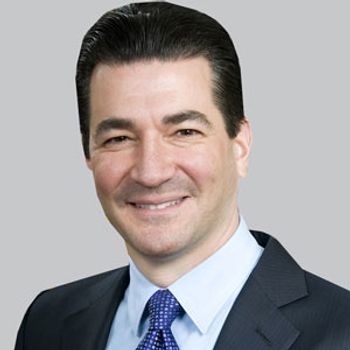
Cannabinoids are being explored in a variety of conditions, ranging from Alzheimer disease to migraine.

Learn about the most insightful article Dr Lazzara has ever read in a research journal.
Neurology News Network for the week of Oct. 12, 2018.

The guidance provides clinicians with tools allowing for earlier and more accurate diagnosis of Alzheimer disease.

Although the history of developments in Alzheimer has been littered with failures, there remains reason to be hopeful about the future.

Almost 45% of those who received an antidementia treatment experienced the never event of co-administration of a high-potency anticholinergic medication and an acetylcholinesterase inhibitor.

Lanctôt advised ruling out any possible underlying medical conditions that could be causing it, including pain, as well as starting with any non-pharmacologic interventions.
Neurology News Network for the week of September 28, 2018.

Potential risk factors may identify those at risk for AD and similar disorders as early as adolescence.

The Carl F. Asseff Professor of Ophthalmology and the Director of the Visual Sciences Research Center at Case Western Reserve University spoke about the beginnings of her work with efavirenz.

The Jim Turner Chair in Cognitive Disorders at the Vanderbilt University School of Medicine shared his feelings on the early phase treatments.