



Headache and Migraine
Latest News
Advertisement
Latest Videos
CME Content










Advertisement
More News

Marcela Romero-Reyes, DDS, PhD, FAHS, director of the Brotman Facial Pain Clinic at the University of Maryland, discussed a promising and potentially safer therapeutic approach for managing trigeminal neuropathic pain.
Atogepant Outperforms Topiramate, IND Accepted for ORX142, Prasinezumab Heads to Phase 3 Parkinson Disease Studies
Published: | Updated:
Neurology News Network. for the week ending June 21, 2025. [WATCH TIME: 4 minutes]
The director of outpatient care at Jefferson Headache Center weighed in on the future of PACAP as a migraine target and previewed upcoming innovations at the 2025 AHS Annual Meeting. [WATCH TIME: 3 minutes]

Atogepant outperforms topiramate in migraine prevention, showcasing superior efficacy and safety in the phase 3 TEMPLE trial results.
Test your neurology knowledge with NeurologyLive®'s weekly quiz series, featuring questions on a variety of clinical and historical neurology topics. This week's topic is on Migraine Awareness Month
The director of outpatient care at Jefferson Headache Center reflected on advances in migraine care and the ongoing outpatient challenges in treating this widespread yet under-recognized condition. [WATCH TIME: 3 minutes]
Catch up on any of the neurology news headlines you may have missed over the course of May 2025, compiled all into one place by the NeurologyLive® team.
A recent study revealed that rizatriptan was ineffective for treating vestibular migraine attacks, showing limited symptom relief compared with placebo.

The UNITE trial reveals fremanezumab's effectiveness in treating migraine and comorbid depression, offering hope for patients with overlapping conditions.

AHN Saint Vincent Hospital offers advanced neurological care, reducing wait times and providing local access to specialized treatments for various conditions.

BioVie initiates a phase 2 trial for bezisterim, targeting neurological symptoms of Long COVID, aiming to improve patient quality of life.
Test your neurology knowledge with NeurologyLive®'s weekly quiz series, featuring questions on a variety of clinical and historical neurology topics. This week's topic is on headache/migraine presenting to the ER.
Positive Phase 3 Data for Oral OSA Medication AD109, FDA Clears First Blood Test for Alzheimer Disease, DHE Autoinjector Treatment Approved for Migraine
Published: | Updated:
Neurology News Network. for the week ending May 24, 2025. [WATCH TIME: 4 minutes]
Markted as Brekiya, Amneal Pharmaceuticals’ newly approved therapy offers a self-administered version of dihydroergotamine mesylate for adults with migraine or cluster headache.
Take 5 minutes to catch up on NeurologyLive®'s highlights from the week ending May 9, 2025.
Catch up on any of the neurology news headlines you may have missed over the course of April 2025, compiled all into one place by the NeurologyLive® team.

Theranica's FDA-cleared, drug-free migraine device gains expanded access, more than doubling coverage to 80 million Americans as young as 8 years old who are diagnosed with migraine.
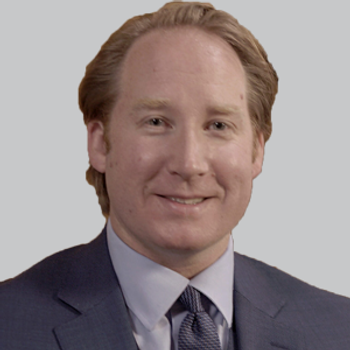
Baron, a neurologist and headache specialist at Cleveland Clinic, explained the significance, clinical data, and patient potential behind CT-132, the first FDA-approved digital therapeutic for migraine prevention.
FDA Approves STS101 for Acute Migraine, CALLIPER Trial Results Unveiled, Nipocalimab Gains FDA Approval for Myasthenia Gravis
Published: | Updated:
Neurology News Network. for the week ending May 3, 2025. [WATCH TIME: 3 minutes]
Take 5 minutes to catch up on NeurologyLive®'s highlights from the week ending May 2, 2025.

From Neurology Enthusiast to Advocate for Health Equity: Moira Kapral’s SEQUINS Hall of Fame Journey
Moira Kapral, MD, MSc, reflects on her SEQUINS Hall of Fame recognition, the evolution of brain health equity, and her work addressing disparities in stroke care.

Robert J. Adams, MS, MD, reflects on his SEQUINS Hall of Fame recognition, his work on stroke prevention, and the importance of equity in brain health.

Barbara Vickrey, MD, MPH, discusses her SEQUINS Hall of Fame honor, the evolution of healthcare delivery models, and the role of mentorship in fostering equity in neurology.
Satsuma’s STS101 nasal powder becomes the first and only DHE nasal powder for the acute treatment of migraine with or without aura in adults.

Lewis B. Morgenstern, MD, reflects on his SEQUINS Hall of Fame recognition, the importance of health equity research, and his ongoing efforts to reduce stroke disparities.
Advertisement
Advertisement
Trending on NeurologyLive - Clinical Neurology News and Neurology Expert Insights
1
Early Data Show Dual-Targeting CAR-T Agent CTA313 Stabilizes Progressive Multiple Sclerosis
2
Clene Submits NDA Seeking Accelerated Approval for ALS Drug
3
CAR-T Agent Zola-cel Shows No New Multiple Sclerosis Disease Activity in Phase 1 Study
4
CALLIPER Extension Data Show Sustained Disability Outcomes With Vidofludimus Calcium in Progressive MS
5