













Three new studies explore preventing secondary stroke, a potential biomarker for MS prediction, and a link between vitamin D and headache.

Three new studies explore preventing secondary stroke, a potential biomarker for MS prediction, and a link between vitamin D and headache.

A trial of chiropractic spinal manipulative therapy (CSMT) to treat migraine successfully blinded its patients to the trial intervention.
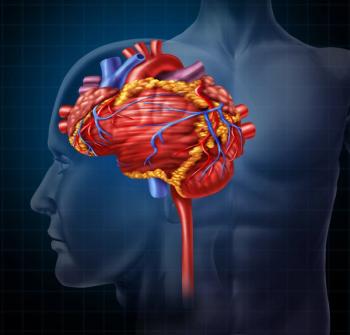
Perioperative stroke is associated with a significantly increased risk for mortality and long-term morbidities. What role does migraine history play?
January news includes the first FDA-approved drug for spinal muscular atrophy, various epilepsy treatments & vitamin D’s impact on Alzheimer & headache.
From Alzheimer disease to Zika virus, we’ve compiled a list of this year’s most popular articles on Neurology Times.
Research from AES 2016 explored relationships between epilepsy and other neurological disorders, including Alzheimer disease, MS, stroke, and autism.
November news includes the first human clinical trial focusing on tau in Alzheimer disease and Zika-related microcephaly not presenting at birth.
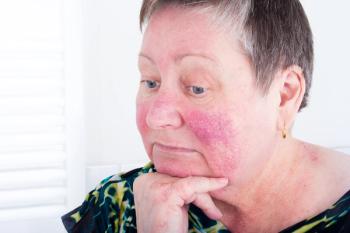
Research has linked rosacea with other neurologic conditions such as Parkinson disease and MS, but an association with migraine has been unclear.

There is no FDA-approved drug for pediatric migraine in children aged younger than 12, so treatment is consensus-based rather than evidence-based.
November news includes potential Alzheimer treatments, FDA approval of a device to prevent recurrent stroke, & a newly typified headache disorder.
Achieving pain freedom at 2 hours and sustained pain response at 24 hours are important outcomes of any acute migraine therapy.
Nerve blocks are often used in adults and children to treat headaches, but few data look at practice patterns in a pediatric setting.
Studies include a potential test for MS, a link between headaches and hypothyroidism, and a risk prediction scale for stroke patients.
Award-winning posters presented during the American Neurological Association Annual Meeting discussed risks in stroke, MS, and migraine.
Oct. news includes an approved deep brain stimulation system for movement disorders & biomarkers that improve risk assessment in atrial fibrillation.
Researchers evaluated whether blood levels of PACAP could serve as a biomarker for parasympathetic activation in migraine headaches.
Triptans are contraindicated with certain CV risk factors, however, there are few data looking at the rate of triptans use among this population.
Our Sept. news includes a possible clinical marker and therapy target in Alzheimer disease and MS findings from an optical coherence tomography study.

A small study of 108 patients evaluated if caffeine cessation for 2 weeks or longer could affect outcomes of acute migraine treatment.

A study of U.S. Armed Forces asks if severity of traumatic brain injury impacts the likelihood of developing headache or migraine.
New research covers treating MS early, identifying those at risk for AED-induced psychosis, & selecting a drug for epilepsy patients with migraines.
Our August news includes a potential classification system for Alzheimer disease, new findings in a 3D model of TBI, and migraine treatments.

Who is most likely to be affected by Alice in Wonderland syndrome? Would you consider a toxicology screen or neuroimaging for afflicted patients?
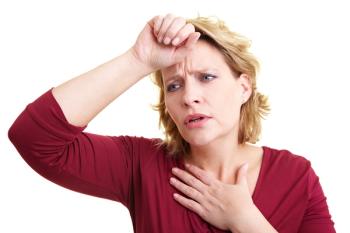
Data from the Nurses’ Health Study II evaluated the risk of cardiovascular disease, myocardial infarction, and stroke in women with migraine.
Was longer treatment duration with noninvasive vagus nerve stimulation associated with a clinically significant reduction in headache days?