




Neuromuscular
Latest News
FDA Approves UX111, First Gene Therapy for Pediatric Sanfilippo Syndrome Type A
By Marco Meglio

Clinical Considerations and Impact of Newly Approved Zilganersen for Alexander Disease
By Marco Meglio
Advertisement
Latest Videos









Shorts

1:11
Advocating Through Care Gaps for Adults With SMA
2 months ago
by
W. Bryan Burnette, MD(+1 more)

1:07
Clinical Impact of Disease-Modifying Therapies in SMA
2 months ago
by
Senda Ajroud-Driss, MD(+1 more)

1:47
Raising SMA Awareness Across the Care Continuum
2 months ago
by
Divya Jayaraman, MD, PhD (+1 more)

1:33
Multidisciplinary Care Model for Spinal Muscular Atrophy
2 months ago
by
Sandeep Rana, MD(+1 more)
2:07
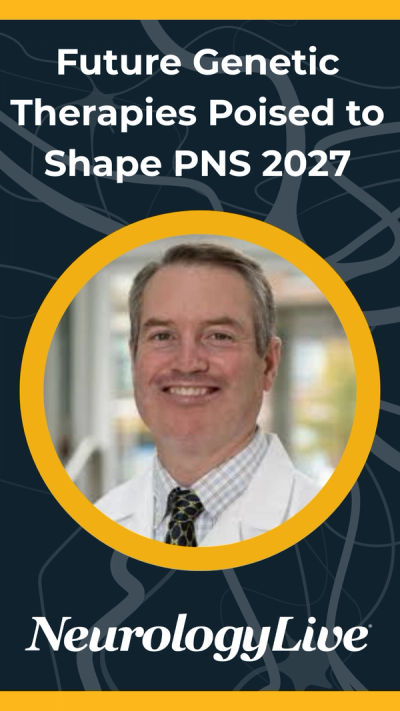
Future Genetic Therapies Poised to Shape PNS 2027
3 months ago
by
Brian Callaghan, MD, MS
1:29
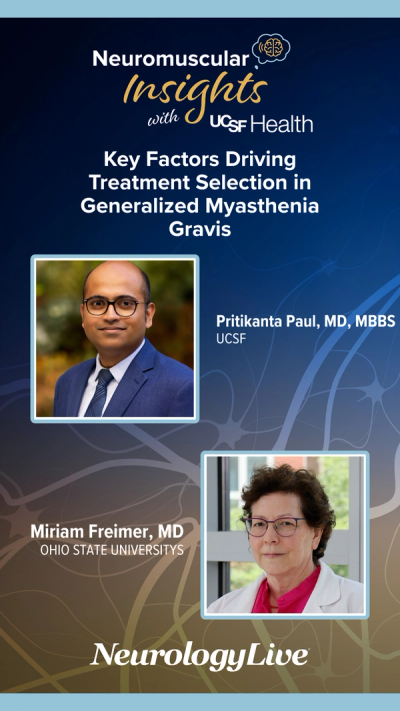
Key Factors Driving Treatment Selection in Generalized Myasthenia Gravis
3 months ago
by
Miriam Freimer, MD(+1 more)
1:29
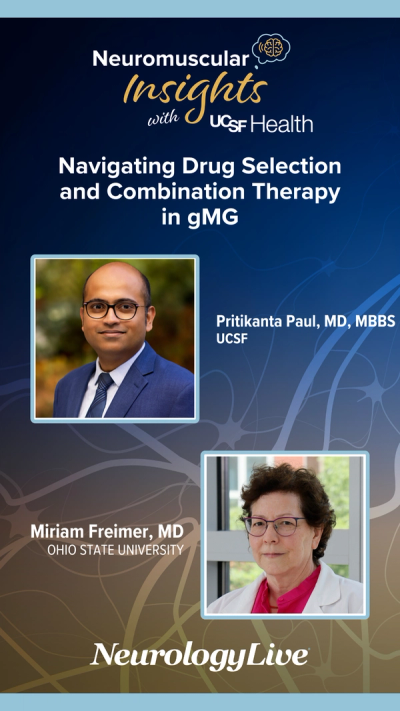
Navigating Drug Selection and Combination Therapy in gMG
3 months ago
by
Miriam Freimer, MD(+1 more)
1:07
Fragile X Syndrome Day 2026: 3 Primary Domains of Symptoms
3 months ago
by
Craig A. Erickson, MD(+1 more)

0:35
Building a Path Toward Neuropathy Reversal
3 months ago
by
Brian Callaghan, MD, MS
2:00
Incorporating Biomarkers as Clinical End Points in Nerve Disorder Trials
4 months ago
by
Brett Morrison, MD, PhD
Podcasts

CME Content











Advertisement
More News

Robert Bowser, PhD, chief scientific officer at Barrow Neurological Institute, recaps his ALS Nexus presentation on TDP-43 biology, the emerging therapeutic landscape, and how cryptic peptide biomarkers could reshape ALS clinical trial design.
Seven experimental DM1 therapies show promise and pitfalls; see latest trial data, a major phase 3 miss, and key 2026 readouts.
The FDA has approved zilganersen (Zanvastro), the first Alexander disease treatment, giving clinicians a disease-modifying option and a clearer framework for counseling patients across the full age and phenotype spectrum.

Here's some of what is coming soon to NeurologyLive® this week.

Emerging therapies for muscular dystrophy are targeting a range of disease mechanisms, from RNA-based approaches and muscle-directed delivery to cell therapy and DUX4 suppression.

FDA approval of apitegromab introduces a muscle-targeting approach to SMA treatment, with phase 3 data demonstrating motor-function benefit when added to existing SMN2-directed therapies.

Rory Siegel, DO, discusses the emerging evidence linking football participation with ALS, the potential role of repetitive head impacts, and key questions that remain about long-term neurological risk.

Take 5 minutes to catch up on NeurologyLive®'s highlights from the week ending September 11, 2026.

Updated phase 1/2 POLARIS data showed sustained reductions in seizure frequency and progressive gains in cognitive and adaptive measures following a single administration of investigational ETX101 in children with SCN1A+ Dravet syndrome.

Long-Term Data Shows Trade-off Between Daily, Intermittent Corticosteroids in Patients With Duchenne
New real-world data showed that daily corticosteroid therapy preserved motor function longer in patients with Duchenne muscular dystrophy compared with an intermittent dosing regimen.
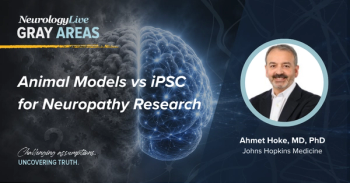
Episode 1 features a conversation with Ahmet Hoke, MD, PhD, of Johns Hopkins Medicine, discussing the clinical debate behind keeping animal models for neuropathy research vs switching to induced pluripotent stem cell models.
Here's some of what is coming soon to NeurologyLive® this week.
Take 5 minutes to catch up on NeurologyLive®'s highlights from the week ending September 4, 2026.

Mind Moments®, a podcast from NeurologyLive®, brings you an exclusive interview with Aaron Zelikovich, MD. [LISTEN TIME: 18 minutes]

Catch up on any of the neurology headlines you may have missed in August 2026, compiled into 1 place by the NeurologyLive® team.
FDA approved Zanvastro (zilganersen), the first therapy to directly target the GFAP protein buildup that drives Alexander disease, based on a phase 3 trial showing improved walking speed and motor function versus untreated controls.

The phase 3 Aspire study of apazunersen did not meet its primary cognition end point or key secondary end point in Angelman syndrome.

The neurologist at the UCSF Edward and Pearl Fein Memory and Aging Center discusses how the first platform trial in progressive supranuclear palsy could accelerate the evaluation of potential disease-modifying therapies. [WATCH TIME: 4 minutes]
In recognition of SMA Awareness Month, NeurologyLive® spoke with neuromuscular experts about how multidisciplinary care is built, where coordination breaks down, and what changes as patients live longer.
In recognition of SMA Awareness Month, NeurologyLive® spoke with neuromuscular experts about how multidisciplinary care is built, where coordination breaks down, and what changes as patients live longer.
Here's some of what is coming soon to NeurologyLive® this week.
Catch up on any of the neurology headlines you may have missed from last week, compiled into 1 place by the NeurologyLive® team.
In honor of SMA Awareness Month, held annually throughout August, get caught up on the latest news in spinal muscular atrophy from 2026, 5 headlines compiled in one place by the NeurologyLive® team.
Take 5 minutes to catch up on NeurologyLive®'s highlights from the week ending August 28, 2026.
In recognition of SMA Awareness Month, held annually throughout August, NeurologyLive® reviews the investigational agents currently moving through clinical development for spinal muscular atrophy.
Advertisement
Advertisement
Trending on NeurologyLive - Clinical Neurology News and Neurology Expert Insights
1
FDA Accepts Troriluzole NDA Resubmission for Spinocerebellar Ataxia
2
Advances in Spinal Cord MRI for Multiple Sclerosis: Julien Cohen-Adad, PhD
3
Real-World Data Show Switch to Subcutaneous Ocrelizumab Well Tolerated
4
Early Data Show Dual-Targeting CAR-T Agent CTA313 Stabilizes Progressive Multiple Sclerosis
5