









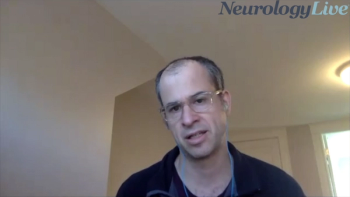
The assistant professor of neurology and anesthesiology at Harvard Medical School discussed non-traditional ways ALS research is changing and where the focus should continue to be.
The assistant professor of neurology and anesthesiology at Harvard Medical School discussed non-traditional ways ALS research is changing and where the focus should continue to be.
Take 5 minutes to catch up on NeurologyLive's highlights from the week ending January 22, 2021.
Michael Benatar, MD, PhD, executive director, ALS Center at the University of Miami, discusses collaborating with Biogen on a clinical study evalutating tofersen.

The team Cure SMA endurance program goes virtual - sign up now.
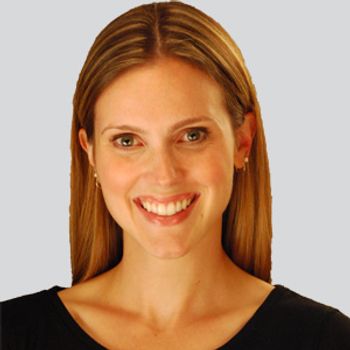
The average number of inpatient claims per year was higher for patients with SMA than their matched non-SMA patients, with respiratory illness the most common reason for an inpatient admission among all patients with SMA.
NM was found to have a stable disease course and the most common classification was typical congenital.
The webinars, for adults and children with SMA, were produced in conjunction with Biogen and the Luke 18:1 Foundation.

Here's what is coming soon to NeurologyLive.
Neurology News Network for the week ending January 16, 2021.
Take 5 minutes to catch up on NeurologyLive's highlights from the week ending January 15, 2021.
The assistant professor of neurology and anesthesiology at Harvard Medical School discussed the landscape of ALS treatments and his outlook on how the future might evolve.
The Pfizer candidate PF-06939926 has also received fast track, orphan drug, and rare pediatric disease designations from the FDA.

The clinical fellow at Massachusetts General Hospital detailed his research on neurology resident EEG education, and the increased need for more consistency throughout programs.

The hATTR amyloidosis treatment demonstrated an encouraging safety and tolerability profile, with a new drug application submission expected to come this year.
The executive director of the Norman Fixel Institute for Neurological Diseases gave his call-to-action on how to change the approval system for neurologic devices for rare diseases.
The phase 4 study will use total score on the Hammersmith Infant Neurological Examination Section 2 motor milestones as the primary end point over a 2-year period.
The assistant professor of neurology and anesthesiology at Harvard Medical School detailed the future outlook of ezogabine and whether it may be studied again in patients with ALS.
Here's what is coming soon to NeurologyLive.
MR imaging revealed minimal fat infiltration in the SRP-9001 arm compared to participants with DMD from the natural history cohort.
Take 5 minutes to catch up on NeurologyLive's highlights from the week ending January 8, 2021.
The Expanded Access Program will offer treatment for patients with ALS who have completed the phase 3 clinical trial and will not interfere with data or regulatory timelines.
The 3-part educational program is sponsored by Genentech.
The executive director of the Norman Fixel Institute for Neurological Diseases explained how disease-based registries play a crucial part in changing the approval system for neurologic devices in rare diseases.
A recent analysis of UnitedHealthcare insurance claims revealed increases of almost 200% for some services between 2001 and 2016.
Objective reduction in tremor was accompanied by improvement in specific motor tasks and a larger proportion of patients in the botulinum neurotoxin group reporting a global subjective improvement in symptoms.