


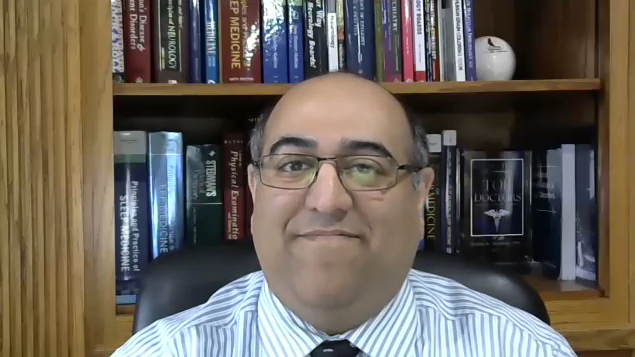













The associate professor of neurology at Washington University in St. Louis discussed a number of recent advances in therapeutics, as well as diagnostic and measurement devices, in sleep medicine.
The associate professor of neurology at Washington University in St. Louis discussed a number of recent advances in therapeutics, as well as diagnostic and measurement devices, in sleep medicine.
The associate professor of neurology at Washington University in St. Louis spoke to the need to improve the awareness for insomnia, which remains one of the most common sleep disorders.

Here's what is coming soon to NeurologyLive.
Take 5 minutes to catch up on NeurologyLive's highlights from the week ending October 30, 2020.
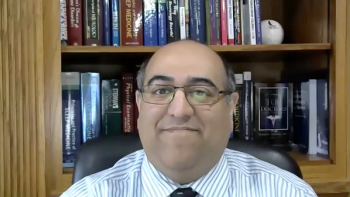
The associate professor of neurology at Washington University in St. Louis discussed the challenges that sleep specialists continue to face despite a number of recent advances in the space.

Addressing sleep apnea at a physiological level may reasonably be more effective and have fewer adverse effects than more traditional treatment modalities that may only target one mechanism.
Here's what is coming soon to NeurologyLive.

Neurology News Network for the week ending October 24, 2020.
Take 5 minutes to catch up on NeurologyLive's highlights from the week ending October 23, 2020.
"Mind Moments," a podcast from NeurologyLive, brings you an exclusive interview with Raman Malhotra, MD.

Statistically significant worsening on the Epworth Sleepiness Scale was observed in patients randomized to placebo compared to participants who received JZP-258.
Here's what is coming soon to NeurologyLive.

The rate of maternal clinical insomnia increased from 11% pre-pandemic to 23% during the COVID-19 pandemic.

Neurology News Network for the week ending October 17, 2020.
Take 5 minutes to catch up on NeurologyLive's highlights from the week ending October 16, 2020.

The recently approved oral solution, known as JZP-28 (Xywav), was associated with clinically meaningful improvements in Epworth Sleepiness Scale, Patient Global Impression of Change, and Idiopathic Hypersomnia Severity Scale scores.
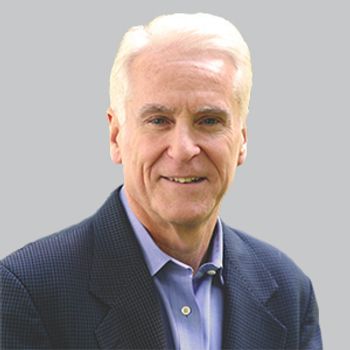
The drug, marketed as Wakix, was previously approved for the treatment of excessive daytime sleepiness in adults with narcolepsy.
Here's what is coming soon to NeurologyLive.
Take 5 minutes to catch up on NeurologyLive's highlights from the week ending October 9, 2020.

The initiative, funded by Jazz, will include educational multimedia content such as a series of podcasts with expert interviews discussing sleep and related disorders.
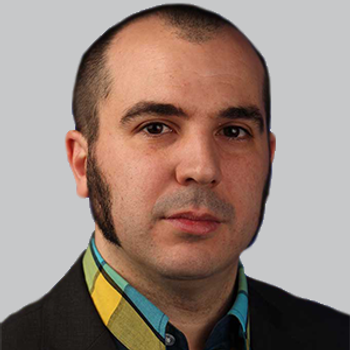
Julio J. Fernandez-Mendoza, PhD, a clinician-scientist at Penn State Hershey Sleep Research & Treatment Center, of Penn State Health, spoke to the implications of a recent study he and colleagues conducted.

Neurology News Network for the week ending October 2, 2020.
Take 5 minutes to catch up on NeurologyLive's highlights from the week ending October 2, 2020.
Take 5 minutes to catch up on NeurologyLive's highlights from the week ending September 25, 2020.
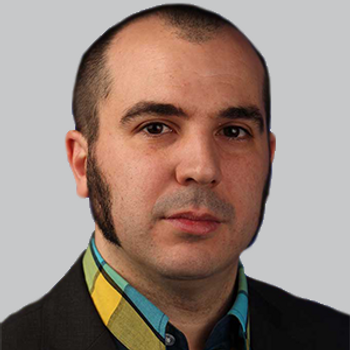
The findings suggest that this insomnia phenotype is a more biologically severe form of the disorder associated with cardiovascular, cerebrovascular, and neurocognitive morbidity.