









Take 5 minutes to catch up on NeurologyLive's highlights from the week ending March 12, 2021.
Take 5 minutes to catch up on NeurologyLive's highlights from the week ending March 12, 2021.

Researchers from Kaohsiung Medical University performed a meta-analysis of 18 RCTs to investigate associations between ASMs and sleep parameters.

Researchers found that sleep disorder-related symptoms were positively correlated with polysomnography indices.
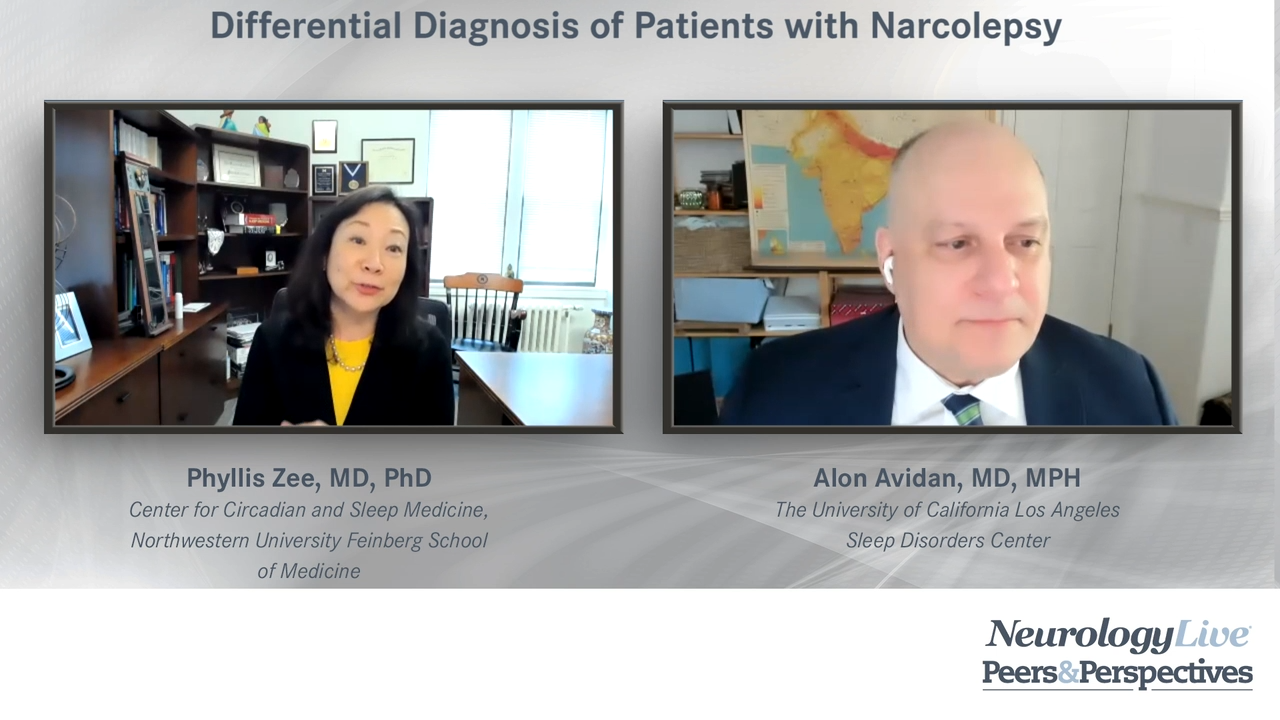
Key opinion leaders discuss symptoms associated with narcolepsy such as cataplexy, hallucinations, sleep paralysis, and excessive daytime sleepiness (EDS).
Experts in the management of sleep disorders provide an overview of excessive daytime sleepiness (EDS) including potential causes and consequences.

Here's what is coming soon to NeurologyLive.
Take 5 minutes to catch up on NeurologyLive's highlights from the week ending March 5, 2021.

Avadel’s investigational therapy for excessive daytime sleepiness and cataplexy in narcolepsy has an action date set for October 15, 2021.
Here's what is coming soon to NeurologyLive.
Take 5 minutes to catch up on NeurologyLive's highlights from the week ending February 26, 2021.
"Mind Moments," a podcast from NeurologyLive, brings you an exclusive interview with Jennifer Martin, PhD.

The director and founder of the Sleep Centers of Middle Tennessee compared the integrated care model of ISPs to the transactional model of DMEs.
Here's what is coming soon to NeurologyLive.
Neurology News Network for the week ending February 20, 2021.
Take 5 minutes to catch up on NeurologyLive's highlights from the week ending February 19, 2021.
The founder and director of the Sleep Centers of Middle Tennessee discussed how patients that better understand the benefits of PAP therapy had better adherence to the therapy.
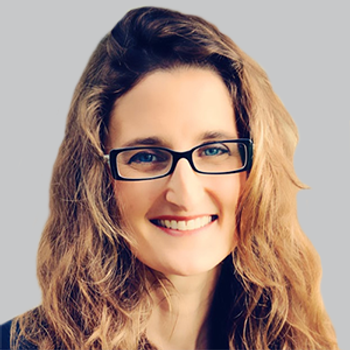
Jennifer Martin, PhD, AASM board of directors' member and professor of medicine at UCLA discussed CBI-T and some of the challenges in treating patients with chronic insomnia.
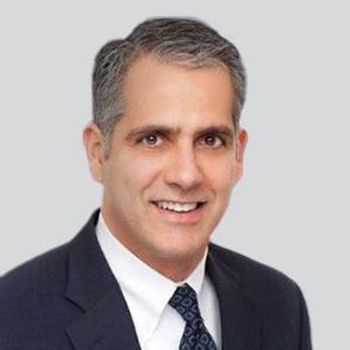
The calcium, magnesium, potassium, and sodium oxybates solution, marketed as Xywav, was approved for cataplexy and daytime sleepiness in narcolepsy in July 2020.
The Evelyn F. McKnight Neurocognitive Scholar at the University of Miami Miller School of Medicine discussed observing how sleep may impact cognitive decline in different populations.
Here's what is coming soon to NeurologyLive.
The data revealed some of the more common and problematic symptoms, challenges, and comorbidities that persist for these individuals despite care.
The AASM board of directors' member and professor of medicine at UCLA discussed the benefits of CBT-I and its efficacy compared to pharmacological treatments.
Neurology News Network for the week ending February 13, 2021.
Take 5 minutes to catch up on NeurologyLive's highlights from the week ending February 12, 2021.
The Genio system offers bilateral stimulation of the hypoglossal nerve branches, which may lead to potentially greater airway opening for patients with obstructive sleep apnea.