



Stroke
Latest News
Advertisement
Video Series
Latest Videos




Shorts
1:35
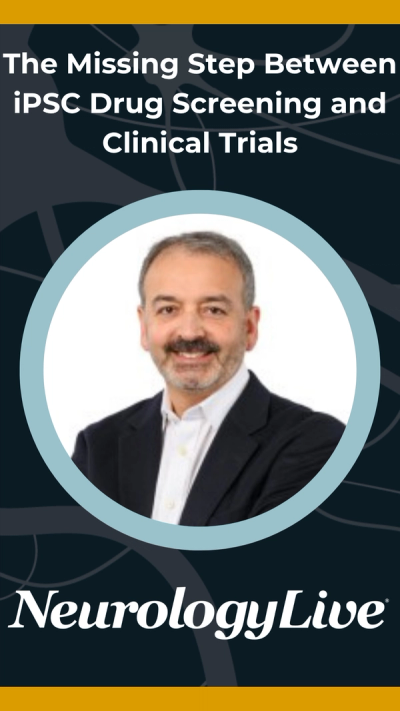
The Missing Step Between iPSC Drug Screening and Clinical Trials
8 hours ago
by
Ahmet Hoke, MD, PhD
0:35
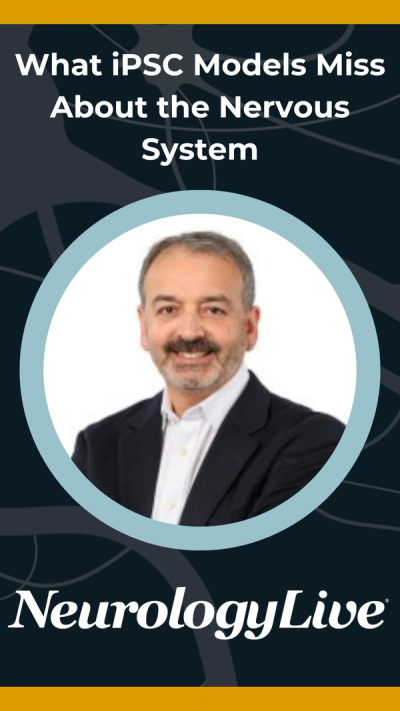
What iPSC Models Miss About the Nervous System
13 hours ago
by
Ahmet Hoke, MD, PhD
1:28
Building a Smarter Drug Development Pipeline for Neuropathy
a day ago
by
Ahmet Hoke, MD, PhD
0:48
Why Animal Models Still Matter in Neuropathy Research
2 days ago
by
Ahmet Hoke, MD, PhD
1:28
Comorbidity Management in the New AHA/ASA Stroke Guideline
2 days ago
by
Marco Meglio(+1 more)
0:41
Emerging Targets for Secondary Stroke Prevention
16 days ago
by
Seemant Chaturvedi, MD(+1 more)

1:03
What Advantages Does THUNDERBOLT Offer? | Part 2
a month ago
by
Young Lee, MD(+1 more)

1:07
What Advantages Does THUNDERBOLT Offer? | Part 1
a month ago
by
Young Lee, MD(+1 more)
1:23
Stroke Awareness Month: Expanding the Imaging-Guided Thrombolysis Window
4 months ago
by
Rahul Chandra, MD(+1 more)
1:16
Communicating Evidence-Based Information to Scientific Communities
4 months ago
by
Bill Nye
Podcasts


CME Content












Advertisement
More News

The cerebrovascular neurosurgeon at University Medical Center New Orleans discussed performing the first THUNDERBOLT stroke thrombectomy in the United States and what computer-assisted vacuum thrombectomy offers over traditional aspiration.
Six FDA PDUFA decisions this fall could reshape care in Alzheimer disease, DMD, Sanfilippo syndrome, Alexander disease, and SMA, here's what clinicians need to know about the data behind each.
Joey English, MD, Chief Medical Officer of Route 92 Medical, discusses the company's reperfusion platform, the goals of the SUMMIT RISE real-world evidence study, and what vessel-matched catheter technology could mean for acute ischemic stroke care.
Kristen Harris, MD, Medical Director of the Extended Recovery Unit at Hackensack Meridian JFK Johnson Rehabilitation Institute, discussed new findings on functional recovery and community discharge rates in acquired brain injury patients undergoing skilled nursing facility rehabilitation.
Ahead of World Brain Day, NeurologyLive explores 5 emerging strategies for preventing neurologic disease, from modifiable dementia risk factors to GLP-1 drugs, sleep science, the gut brain axis, and wearable technology.
Catch up on any of the neurology headlines you may have missed in June 2026, compiled into 1 place by the NeurologyLive® team.
The 510(k) clearance was supported by a 3-study, 159-patient registrational program showing a 45.5% increase in response rate vs physical therapy alone, and includes Medicare coverage at launch.
Catch up on any of the neurology headlines you may have missed in May 2026, compiled into 1 place by the NeurologyLive® team.
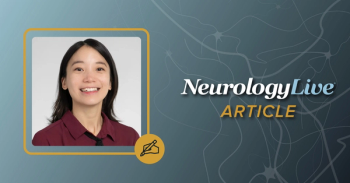
Christina Xia, MD, a stroke specialist at Cleveland Clinic, reviewed recent advances in stroke rehabilitation, including neuromodulation and emerging approaches aimed at improving long-term recovery after stroke.
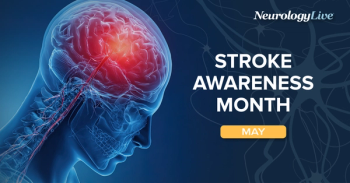
Sara Cuccurullo, MD, chair, vice president, and medical director, Hackensack Meridian JFK Johnson Rehabilitation Institute discussed how structured cardiovascular rehabilitation may improve recovery outcomes, reduce mortality, and influence future Medicare coverage for poststroke care.
Sara Cuccurullo, MD, chair, vice president, and medical director, Hackensack Meridian JFK Johnson Rehabilitation Institute, discussed emerging evidence supporting structured cardiovascular rehabilitation after stroke and ongoing efforts to expand access through potential Medicare policy changes.
FDA priority review of asundexian marks a key regulatory milestone for factor XIa inhibition in secondary stroke prevention following positive phase 3 OCEANIC-STROKE results.
From exercise and lifestyle medicine to neuromodulation and vagus nerve stimulation, Andrew Abdou, DO, discusses emerging approaches that may help stroke patients continue recovery beyond traditional timelines.

Take 5 minutes to catch up on NeurologyLive®'s highlights from the week ending May 15, 2026.
In honor of Stroke Awareness Month, neurologist Firas Bounni, MD, discussed how advanced neuroimaging can guide thrombectomy decision-making beyond standard treatment windows.
Kristine Yaffe, MD, distinguished professor at UCSF and SEQUINS Hall of Fame honoree, discusses dementia prevention, modifiable risk factors, and ongoing disparities in brain health and cognitive aging.
As a 2026 SEQUINS Hall of Fame honoree, James Galvin, MD, MPH, reflected on advancing equitable dementia care, culturally relevant cognitive assessment, and improving brain health outcomes across diverse communities.
SEQUINS Hall of Fame: George Howard, DrPH, on Understanding Geographic and Racial Stroke Disparities
As a 2026 SEQUINS Hall of Fame honoree, George Howard, DrPH, commented on decades of stroke disparities research, the impact of the REGARDS study, and why future efforts must focus more directly on upstream risk factors.
As a 2026 SEQUINS Hall of Fame honoree, Gretchen L. Birbeck, MD, MPH, reflected on her decades-long work advancing equity in global neurologic care and improving epilepsy outcomes in resource-limited settings.
As a 2026 SEQUINS Hall of Fame honoree, Edwin Trevathan, MD, MPH, reflects on global pediatric neurology, community-based care delivery, and the ongoing effort to reduce neurologic health inequities worldwide.
Test your neurology knowledge with NeurologyLive®'s weekly quiz series, featuring questions on a variety of clinical and historical neurology topics. This week's topic is Stroke Awareness Month!
BIOX-101 Shows Early Safety, Exploratory Efficacy Signals in Phase 2a Intracerebral Hemorrhage Trial
BIOX-101 showed early signals of reduced edema growth and improved functional outcomes in a phase 2a intracerebral hemorrhage trial, with a favorable safety profile, supporting advancement into a planned adaptive phase 2b/3 study.
Take 5 minutes to catch up on NeurologyLive®'s highlights from the week ending May 8, 2026.

Neurava secured a $4M NIH grant to develop and validate an AI-driven wearable platform for SUDEP risk prediction and real-time monitoring, aiming to improve clinical decision-making and early intervention in epilepsy care.
GLP-1 receptor agonists show growing relevance in neurology, with strongest evidence in stroke prevention and obstructive sleep apnea and emerging signals in idiopathic intracranial hypertension and migraine.
Advertisement
Advertisement
Trending on NeurologyLive - Clinical Neurology News and Neurology Expert Insights
1
FDA Priority Review Puts Satralizumab on Track as First MOGAD Drug
2
NeuroVoices: Jacqueline Becker, PhD, on Brain Fog, Alzheimer Risk, and Treatment Advances in Long COVID
3
Long-Term Data Shows Trade-off Between Daily, Intermittent Corticosteroids in Patients With Duchenne
4
Del-Desiran Fails to Meet Primary Endpoint in Phase 3 HARBOR Trial of Myotonic Dystrophy 1
5