
This marks the first time a BTK inhibitor showed a clinical proof-of-concept in relapsing MS.
This marks the first time a BTK inhibitor showed a clinical proof-of-concept in relapsing MS.
The Head of Global Clinical Development in Neurology at EMD Serono provided insight into the therapy's performance in phase IIb.
The director of Thomas Jefferson's Comprehensive Multiple Sclerosis Center spoke about the introduction of this treatment method into MS.
Patisiran maintained improvements in mNIS+7 and rapidly halted neurologic disease progression in hATTR amyloidosis.
The staff neurologist at Cleveland Clinic’s Mellen Center for Multiple Sclerosis spoke about the current understanding of the biomarker.
The Global Head of Neuroimmunology at Genentech discussed the upcoming phase III trial of ocrelizumab while on-site at ECTRIMS 2018.

An updated safety analysis of the therapy in patients with relapsing MS, up to 10 years, has shown no new safety signals.
Subcutaneous immunoglobulin is an effective and well-tolerated alternative to intravenous immunoglobulin for myasthenia gravis.
Eculizumab showed sustained activity and tolerability through 3 years for generalized myasthenia gravis.
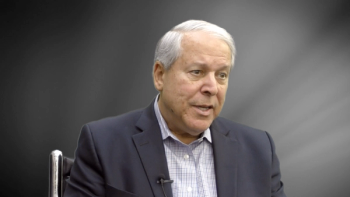
The vice president of Medical Research at Biogen spoke about the intersection between high-quality data utilization and individualized medicine in multiple sclerosis.
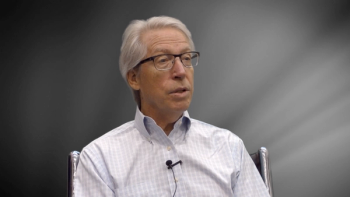
The professor of neurology at the University of Colorado posited that if certain criteria are met, it could be appropriate to take patients with multiple sclerosis off of DMT.
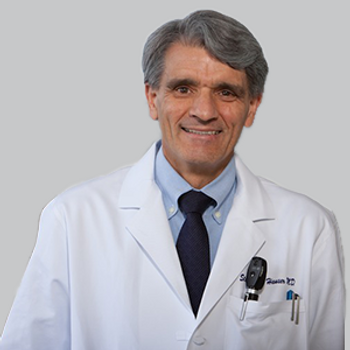
Data from multiple open-label extension trials have suggested that the therapy is more beneficial with earlier initiation compared to interferon ß-1a.

The postdoctoral scientist spoke about an actimetry-based method studying the clinical relevance of temporal dynamics of sleep to make the dynamics easily quantifiable in everyday context.
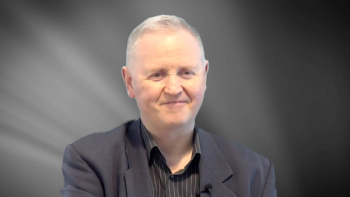
The medical coordinator of the Multidisciplinary Sleep-Wake Disorders Center at Antwerp University Hospital spoke about how to address some of the issues faced in OSA treatment development.

The identification of the subtypes allows future studies to target homogeneous subtype samples, resolve inconsistencies, personalize treatment and utilize preventive interventions.

Proof-of-concept studies using a targeted phenotypic approach to reduce obstructive sleep apnea severity are showing exciting results.
The identification of 3 key non-anatomical contributors to OSA has unlocked new potential pharmacotherapies, a major advance for the field.

Recent research has identified novel potential pathophysiological mechanisms that could potentially serve to subclassify various phenotypes in obstructive sleep apnea.
The actimetry-based method allows for easily quantifiable sleep dynamics in real life context, enabling large-scale clinical studies to investigate the complex temporal dynamics of sleep.
Lanctôt advised ruling out any possible underlying medical conditions that could be causing it, including pain, as well as starting with any non-pharmacologic interventions.

Long-term maintenance of efficacy was demonstrated with solriamfetol for treatment of excessive sleepiness with narcolepsy or obstructive sleep apnea.

The Carl F. Asseff Professor of Ophthalmology and the Director of the Visual Sciences Research Center at Case Western Reserve University spoke about the beginnings of her work with efavirenz.
The neurologist and sleep specialist spoke about data from one of many studies investigating solriamfetol for treatment of narcolepsy and obstructive sleep apnea with remaining excessive daytime sleepiness.
The Jim Turner Chair in Cognitive Disorders at the Vanderbilt University School of Medicine shared his feelings on the early phase treatments.

Chylinski spoke about the relationship between the increased number of arousals during sleep and the pathogenesis of Alzheimer disease.
Fillit spoke about remaining need for additional biomarkers in Alzheimer, and what has been developed in recent years.
The psychiatry and pharmacology professor at the University of Toronto and senior scientist at Sunnybrook Research Institute spoke about the use of cannabinoids to treat agitation in Alzheimer.
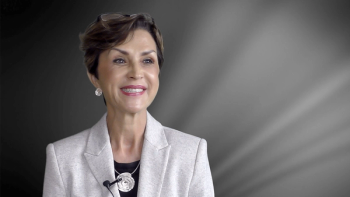
The Carl F. Asseff Professor of Ophthalmology and the Director of the Visual Sciences Research Center at Case Western Reserve University further discussed the trial of efavirenz in AD.

For the associate professor of neurology, learning, listening, and collaborating are the keys to improving the field of care.
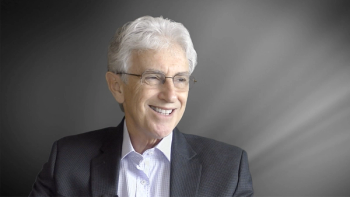
The Jim Turner Chair in Cognitive Disorders at the Vanderbilt University School of Medicine explained more about the molecule and the subsequent trial of it.