
The section chief of pediatric neurology at Nationwide Children’s Hospital and an associate professor of clinical pediatrics and neurology at The Ohio State University College of Medicine spoke about what the findings mean for patients.
The section chief of pediatric neurology at Nationwide Children’s Hospital and an associate professor of clinical pediatrics and neurology at The Ohio State University College of Medicine spoke about what the findings mean for patients.

The recently approved therapy remained generally well tolerated and improvements in overall condition in Subject/Caregiver Global Impression of Change scores.

The Professor of Medicine at the University of New South Wales highlighted the latest knowledge in sleep apnea phenotyping and its crucial role in the development of targeted pharmacotherapies to treat OSA.

Actigraphic recording from upper extremities show consistently more prominent sleep fragmentation in rapid eye movement sleep behavior disorder patients compared to other sleep diagnoses.
The director of the MedStar Georgetown Headache Center discussed ways to improve the patient-provider relationship and how primary care can get involved.
The director of the MedStar Georgetown University Hospital Headache Center stressed building a culture of teaching patients to be their own advocates and to build the relationship with the patient to better manage their migraines.
The director of the MedStar Georgetown University Hospital Headache Center discussed the development of acute care options for patients to improve their quality of life and the management of their condition.

The director of the Hartford Headache Center spoke about the trend toward device use in migraine treatment, and some of the reasons that may have prompted it.
The director of the Hartford Healthcare Headache Center in Connecticut and lead investigator on the trial provided some insight into the study's findings.

As the scientific grasp of it gets tighter, ensuring physicians have an understanding of the diagnosis of and treatment options for cluster headache becomes of utmost importance.
Theranica, its developer, noted that it has completed regulatory submission for the device to the FDA, and that if approved, it plans to commercialize the product by the end of 2019.
The associate professor at NYU Langone discussed several of the questions that remained unanswered about the relationship between sleep and Alzheimer disease.
While studies support the use of cannabis for pain in adults, a lack of clinical data and an inability to perform studies has slowed the medical community’s understanding of the drug’s conceivable use in headache conditions.
Albertson discussed this facet of stroke care, and all the things being done outside just the clinic to help improve outcomes.
The associate professor at NYU Langone discussed emerging evidence that suggests that sleep disruption results in higher levels of markers associated with Alzheimer disease.
The Carolyn and Matthew Bucksbaum Professor of Clinical Ethics at the University of Chicago spoke about the ethical considerations of spinal muscular atrophy and its treatment.
The medical director of the UCSF Multiple Sclerosis Center discussed the idea behind remyelination and shared his thoughts on what the best shot at developing a therapy might be.
The Anne Parrish Titzell Professor of Neurology and Neuroscience at Weill Cornell Medicine’s Feil Family Brain and Mind Research Institute spoke about the cost the condition has for patients and their families.

Recent work demonstrates that the anterior part of the hypothalamus is enlarged in cluster headache.
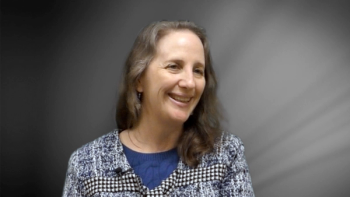
The professor of neurology at Virginia Commonwealth University discussed all the progress that’s been made in the space and shared her thoughts on the advances.

Cognitive complaints remain a major issue for patients with epilepsy, leading the epileptologist at the University of Pennsylvania to share her insight into addressing them.
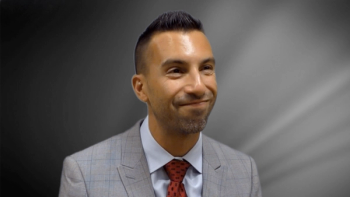
The Global Medical Lead for Migraine and Headache at Teva Pharmaceuticals provided insight into how fremanezumab has helped to improve these facets of the condition.
The neurologist discussed an analysis of findings suggesting that opiate agonists may have a role in the treatment of narcolepsy.

The clinical professor in pediatric neurology and director of regional neurology services at Children's Hospital Colorado shared her thoughts on why epilepsy is the perfect paradigm to implement telemedicine.
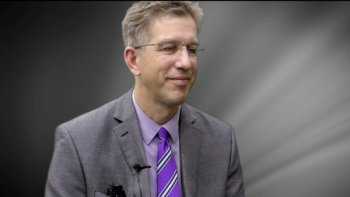
The neurologist from Cleveland Clinic discussed the challenges of treating progressive MS, and shared his clinical experience with ibudilast.
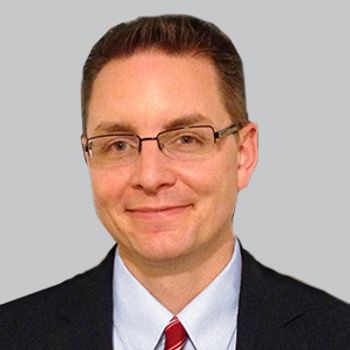
The Pediatric Movement Disorders Neurologist at UT Southwestern recommends that when encountering a patient with a movement disorder to organize your thought process in 3 steps.
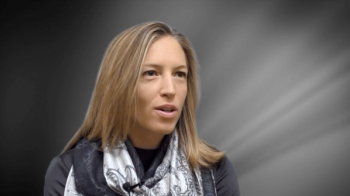
The epileptologist discussed this challenge, and shared her thoughts on how to maintain this communication.
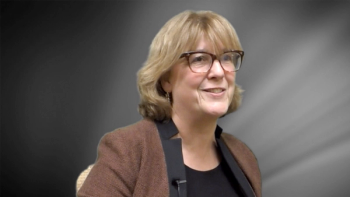
The associate professor of neurology and neuroscience at Weill Cornell Medicine discussed this work, and what she and her colleagues believe could be addressed by a successful effort.

The study presents direct evidence that subjective experiences of insomnia may be coupled to the REM sleep state.
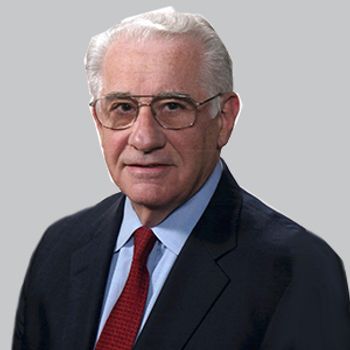
Darryl De Vivo, MD, emphasized that while there's been a tremendous advance in the field of SMA, it’s important to continue tinkering around the margins to make the effective treatment increasingly better.