

A new study reported on a small family who experienced paroxysmal ataxia as the initial manifestation of FGF14 repeat expansion, triggered by certain factors between the ages of 45 and 50.
A new study reported on a small family who experienced paroxysmal ataxia as the initial manifestation of FGF14 repeat expansion, triggered by certain factors between the ages of 45 and 50.
The head of Patient Engagement, Epilepsy and Rare Syndromes (Europe) at UCB Pharma discussed the inconsistencies in educational information given to patients with epilepsy, including the knowns of sudden unexpected death. [WATCH TIME: 4 minutes]
The chief executive officer of Aruna Bio provided context on a newly accepted phase 1/2 trial assessing the company’s neural-derived exosome agent AB126 in patients with acute ischemic stroke.

The director of Geriatric Psychiatry at the St Louis University School of Medicine talked about BXCL501 as a potential treatment for acute agitation in patients with Alzheimer disease and how it compares with brexpiprazole, the first approved therapy. [WATCH TIME: 4 minutes]
Overall, the results revealed that light therapy helped to alleviate sleep efficiency, sleep quality, depressed mood, caregiver burden, and agitated behavior.

In a recent study, investigators observed a substantial up-regulation of long noncoding RNAs among patients with neuromyelitis optica spectrum disorder in comparison with heathy individuals.
The medical director of the Inpatient Rehabilitation Unit at Ascension Genesys Hospital discussed the importance of early intervention, sustained care, and rehabilitation in managing poststroke patients. [WATCH TIME: 4 minutes]
Noninvasive brain stimulation techniques, particularly transcranial direct current stimulation (tDCS), prove safe and effective for cerebellar ataxia, enhancing motor coordination.

Using the validated Migraine-Related Stigma questionnaire, investigators observed significant between-group differences in disability, interictal burden, and quality of life based on the amount of migraine-related stigma experienced.

The investigational ALS therapy, IPL344, derived from a biologically active peptide, exhibited encouraging efficacy in slowing disease progression.
The epileptologist at NYU Langone Health and associate professor of neurology at the NYU Grossman School of Medicine shared her thoughts on potential therapies and expanding management care options for patients with epilepsy in the near future. [WATCH TIME: 5 minutes]

Among the disease-modifying drugs (DMDs) for multiple sclerosis (MS), glatiramer acetate was associated with a lower hazard of hypertension, presenting a potential positive impact on cardiovascular health.
The professor of neurology at Cedars-Sinai Medical Center shared his thoughts on potential therapies that expand management care options for patients with neuromuscular disease, in particularly for chronic inflammatory demyelinating polyneuropathy. [WATCH TIME: 4 minutes]
Here's some of what is coming soon to NeurologyLive® this week.
The professor of neurology at Cedars-Sinai Medical Center shared his clinical perspective on the recent FDA approval of Takeda’s immune globulin infusion, Hyqvia, for chronic inflammatory demyelinating polyneuropathy. [WATCH TIME: 5 minutes]
Test your neurology knowledge with NeurologyLive®'s weekly quiz series, featuring questions on a variety of clinical and historical neurology topics. This week's topic is headache and migraine.

In a study cohort, investigators observed the frequency of FGF14 GAA repeat expansions in 17 patients, prompting the inclusion of GAA-FGF14-related disease in the differential diagnosis of ataxia related syndromes.
The study provided the first class IIb evidence of the long-term benefits of deep brain stimulation in patients with Parkinson disease, emphasized by improved quality of life and reduced medication requirements.
In a phase 2 proof-of-concept study, IHL-42X, a drug for obstructive sleep apnea, more significantly reduced apnea-hypopnea index and oxygen desaturation index than placebo.
Neurology News Network for the week ending January 21, 2024. [WATCH TIME: 3 minutes]

A recent study demonstrated the superior efficacy of a dual-task training program over traditional physical therapy in improving balance and cognitive function in pediatric patients with ataxia following medulloblastoma resection.
Take 5 minutes to catch up on NeurologyLive®'s highlights from the week ending January 19, 2024.
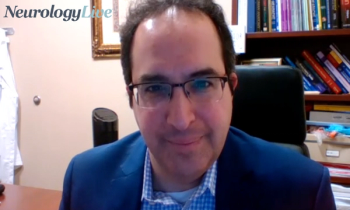
The director of the Hartford healthcare Headache Center in Connecticut shared his and colleagues' thoughts on potential therapies that expand management care options for patients with migraine. [WATCH TIME: 7 minutes]
The director of NYU Langone’s Comprehensive Epilepsy Center discussed a recently published study that used videos to identify potential causes of sudden deaths in toddlers. [WATCH TIME: 4 minutes]
Data supported a positive causal association between narcolepsy and schizophrenia and a reverse causal relationship between narcolepsy and major depressive disorder.
In this multicenter, randomized, controlled trial, corticosteroids were found to be superior to clobazam in improving cognition in children with epileptic encephalopathy with spike-wave activation in sleep.

In a recent study, investigators characterized an exonic GGC repeat in ZFHX3 associated with spinocerebellar ataxia type 4 in the original pedigree in which linkage was characterized over 25 years ago.

The strong association observed at APOE in this analysis was consistent with observations from other amyloid-lowering therapies, which also found an elevated incidence of ARIA among APOE ε4 carriers.

The dihydroergotamine product’s application was supported by phase 1 comparative pharmacokinetic and safety data, and the phase 3 ASCEND trial.

PARADIGM, an ongoing phase 2 placebo-controlled trial, will have additional biomarker data released in the first half of 2024.