

An assessment of data from the PROMISE-2 trial suggests that individuals who respond to treatment in the first month are likely to maintain their response through at least 6 months.
An assessment of data from the PROMISE-2 trial suggests that individuals who respond to treatment in the first month are likely to maintain their response through at least 6 months.
The director of the Headache Center of Southern California discussed his research from AHS 2021 which evaluated safety and efficacy of combined treatment with CGRPs and onabotulimtoxinA.

Open-label data of concomitant use of CGRP monoclonal antibodies and receptor antagonists suggest that the agents can be safely and effectively combined in the treatment of migraine.
The investigator at the Healey & AMG Center for ALS at Massachusetts General Hospital discussed how adding AMX0035 to a therapeutic regimen might improve treatment of ALS.

The reported reasons included wanting to take care of symptoms themselves, concern that migraine will not be taken seriously, and believing migraines are not severe or painful enough to seek care.
Treatment with eptinezumab resulted in reduced burdensome features of headache episodes including severe pain, photophobia, phonophobia, nausea, and limited physical activity.
Neurology News Network for the week ending June 5, 2021.
Respondents reported varying levels of comfort regarding the management of migraine during pregnancy, with only half of women’s healthcare providers indicating they conducted counseling on migraine during pregnancy.
Take 5 minutes to catch up on NeurologyLive's highlights from the week ending June 4, 2021.

Investigators’ analysis of a subset of patients with insufficient response from the CENTURION study suggests that the acute agent from Eli Lilly offers potential in this population.
Treatment with INP104 was associated with high rates of symptoms freedom and may be a promising new acute treatment for patients with migraine.

Experts were in agreement that the criteria should include PTH phenotype, TBI mechanism and TBI comorbidities.

"Mind Moments," a podcast from NeurologyLive, brings you an exclusive interview with Barry Hendin, MD.

The nasal delivery of dihydroergotamine also showed a lower incidence of nausea than IV-administrated dihydroergotamine.

Rimegepant (Nurtec ODT; Biohaven) had the lowest number needed to treat for sustained pain freedom from migraine.

More than 80% of participants experienced at least 50% reduction in monthly migraine days, while more than 60% and just under 50% experienced at least 75% and 100% reductions.

Serum tumor necrosis factor and glutathione levels decreased, and brain-derived neurotrophic factor levels increased significantly after treatment with electroCore’s gammaCore nVNS device.
The founder and chief scientific officer of Neurolutions discussed the growing movement to treat patients with stroke using technology and where research and development might turn to next.
Asklepios BioPharmaceuticals noted that it plans to initiate dosing for the LION-101 phase 1/2 clinical trial in the first half of 2022.
AC Immune SA also continues to develop an improved formulation of the investigational agent.
The head of global research and executive vice president of Atara Biotherapeutics discussed improvements seen in patients treated with the investigational therapy.
Recommendations for exploratory trial designs may help clinicians be more confident in making the all-important go/no-go decisions about advancing drugs to larger later-stage trials.

Episode 11 of the AUPN Leadership Minute features Barbara G. Vickrey, MD, MPH, of Icahn School of Medicine at Mount Sinai; and Nancy Sicotte, MD, of Cedars-Sinai Medical Center. [WATCH TIME: 3 minutes]
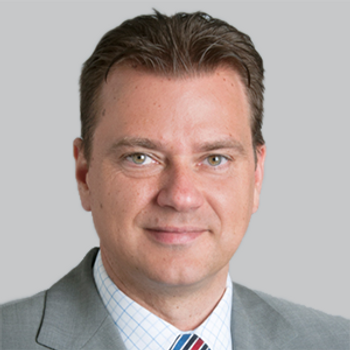
Robert Zivadinov, MD, PhD, professor of neurology and director of the Buffalo Neuroimaging Analysis Center, discussed the post-hoc analysis of the ORATORIO trial he and colleagues conducted.

The neurologist from Banner Health and chief medical officer of the MS Association of America detailed the significant changes to the state of multiple sclerosis care over the past 3 decades.
The founder and chief scientific officer of Neurolutions discussed other populations that may benefit from the IpsiHand Upper Extremity Rehabilitation System by building on its current capabilities.

Through surveys and an international meeting, the International Society for CNS Clinical Trials Methodology developed consensus criteria for NCD-specific apathy.
The investigator at the Healey & AMG Center for ALS at Massachusetts General Hospital discussed how the PHOENIX study expands upon the previous study, CENTAUR.
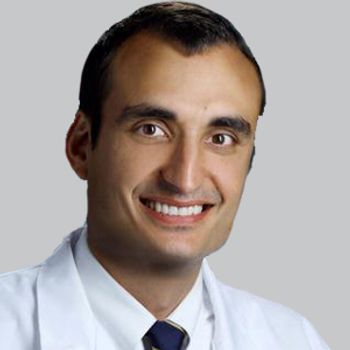
Despite identifying a role of air pollutants in PD, no evidence for the association between the risk of PD and exposure to particulate matters, ozone, sulfur dioxide, or carbon monoxide were observed.
The neurologist at Cleveland Clinic addressed aspects of care for elders with generalized epilepsy that need to be further researched.