Patients now ask how they will know if they are progressing. Context for counseling, blood biomarkers, digital measures, and spinal cord imaging are expanding what clinicians can track between visits.
Professor of neurology, Icahn School of Medicine, and staff neurologist, Corinne Goldsmith Dickinson Center for MS, Mount Sinai
Patients now ask how they will know if they are progressing. Context for counseling, blood biomarkers, digital measures, and spinal cord imaging are expanding what clinicians can track between visits.
Stable T2 lesions do not rule out progression. Listening carefully, quantifying walking endurance, and asking about cognition, bladder, and falls can reveal change that routine scans do not capture.
No single measure captures whether MS is controlled. Brief, targeted questions and simple bedside maneuvers can detect subtle decline without lengthy assessments or a formal EDSS at every visit.
Progression independent of relapse activity persists even on highly effective therapy. It is a clinical phenomenon, and the patient's own account is often the earliest and most reliable signal.
Immune processes that form lesions and erode reserve appear to reinforce each other. Genetic, environmental, and host factors add heterogeneity, which strengthens the case for individualized assessment.
Irreversible tissue injury starts at disease onset and may stay silent for years. Relapsing and progressive biology differ in emphasis, but the panel sees them as overlapping rather than separate diseases.
Acute lesions are only one part of MS biology. Compartmentalized inflammation behind the blood-brain barrier suggests a network problem that targeting a single cell type cannot fully solve.
A decade of diagnostic, biologic, and therapeutic change has shifted MS from fixed phenotypes toward a spectrum, and distinguishing disease activity, impact, and progression clarifies what current treatment still leaves unaddressed.

Experts discuss the optimistic future of MS treatment, emphasizing early diagnosis, consistent care, and a partnership approach for improved patient outcomes.
Healthcare professionals discuss setting realistic long-term goals for MS patients, emphasizing the importance of early treatment and patient education.
Healthcare professionals emphasize the importance of partnership in MS treatment, focusing on personalized goals and empowering patients to take control of their health.
Experts share effective communication strategies and metaphors to enhance patient understanding and engagement in managing neurological disorders.
Effective patient communication transforms complex disease concepts into understandable insights, fostering trust and empowering individuals with MS.
Experts discuss the importance of systematic longitudinal follow-up in multiple sclerosis care, emphasizing holistic assessments and cognitive testing for better patient outcomes.
Experts discuss reconciling discrepancies in MS diagnosis through clinical judgment, imaging, and biomarker analysis for better patient outcomes.
Discover emerging imaging techniques and biomarkers for multiple sclerosis that enhance clinical practice and improve patient outcomes.
Experts discuss current imaging techniques and biomarkers for monitoring disease progression in MS, emphasizing the need for improved metrics and awareness.
Healthcare professionals explore how subtle MS progression impacts daily life and quality of life, emphasizing the importance of targeted assessments.
Clinicians discuss distinguishing between true progression and pseudo-relapses in MS, emphasizing patient insights and monitoring changes over time.
Experts discuss identifying early signs of disease progression through patient history, symptoms, and innovative monitoring techniques for better care.
Experts discuss the impact of genetic, lifestyle, and environmental factors on multiple sclerosis progression and disability management.
Explore the complexities of disease biology, focusing on relapsing and progressive mechanisms that impact treatment and patient outcomes.
Experts discuss the complexities of MS progression, exploring traditional phenotypes and the evolving understanding of the disease as a continuum.
Experts discuss the complexities of MS progression, exploring traditional phenotypes and the evolving understanding of the disease as a continuum.

The expert panel examines early multiple sclerosis (MS) and patients with mild MS even in later stages of the disease, emphasizing crucial information to convey to patients throughout their journey; faculty also explore cases where disease-modifying therapies (DMTs) may not be utilized.
Multiple sclerosis (MS) specialists discuss their observations regarding variations in MS presentation and progression among patients of Different Races and Ethnicities
The panelists explore diagnostic methods for differentiating between mild and moderate multiple sclerosis (MS) while also examining prognostic factors, the role of imaging, and the concept of brain reserve in mild MS cases.
Key opinion leaders provide insights into the prevalence and incidence of clinically isolated syndrome (CIS) within their clinical practice.

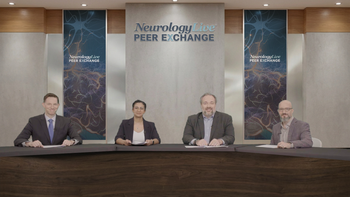
Ahmed Obeidat, MD, PhD, Riley Bove, MD, Stephen Krieger, MD, and Erin Longbrake, MD, PhD, share perspectives on the future of MS care, the importance of vigilance in lab testing, and why patients may need reassurance about the potential for disease control with currently available therapies.
Ahmed Obeidat, MD, PhD, Riley Bove, MD, Stephen Krieger, MD, and Erin Longbrake, MD, PhD, discuss the need for biomarkers that can help guide the optimal dosing for the use of anti-CD20 therapies in a precision fashion.
April 22nd 2024

June 20th 2024