
Opinion|Videos|March 13, 2026
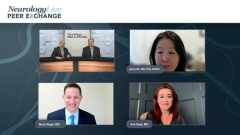
Clinical Perspectives on Patient Education on MS Progression
Effective patient communication transforms complex disease concepts into understandable insights, fostering trust and empowering individuals with MS.
Advertisement
Episodes in this series
In this episode, the panel explores effective ways to communicate complex disease concepts to patients with multiple sclerosis. Panelists highlight the value of establishing a common language from the very first visit, using relatable visual analogies or metaphors to explain immune system behavior and the unpredictable nature of MS progression. They emphasize tailoring explanations to the individual, meeting patients where they are in terms of understanding and emotional readiness. The discussion stresses the importance of validating patient experiences and using patient-friendly models like the "topographical model" to illustrate how symptoms can emerge or fluctuate. Panelists advocate for presenting progression in terms that foster hope, optimism, and partnership. They encourage patients to take an active role in managing their disease while reinforcing that success involves regularly reassessing goals and adjusting communication as their condition and treatment landscape evolve. The panel underscores that clear, consistent education is crucial for empowering patients.
Advertisement
Related to this article

The FDA is requiring new labeling across all GLP-1 receptor agonists to warn of a potential increased risk of a rare, vision-threatening optic nerve condition.
Mind Moments®, a podcast from NeurologyLive®, brings you an exclusive interview with James F. Sumowski, PhD. [LISTEN TIME: 21 minutes]

Robert Bermel, MD, discusses advances in disease-modifying therapies, the challenges of monitoring MS progression, and emerging biomarkers and treatments that may address remaining unmet needs.

At a NeurologyLive Clinical Forum in Phoenix, Kevin J. Bielamowicz, MD, of Arkansas Children’s Hospital, discussed how a lack of adult neuro-oncology infrastructure is shaping how NF1-associated plexiform neurofibromas get recognized, referred, and treated.
The FDA granted fast track designation to FRP-003, an investigational oral botanical drug candidate for Long COVID, ahead of a planned phase 2 trial evaluating fatigue in approximately 220 adults.
GV101 receives FDA fast track designation for the treatment of Friedreich ataxia, with a phase 2 trial planned to begin enrollment in late 2026.

In honor of Veterans Day, Clayton Mucha, DO, neurorehabilitation physiatrist at Burke Rehabilitation in New York, discusses the lasting effects of traumatic brain injury in military personnel.

At a NeurologyLive Clinical Forum in New York, Mary Ann Piccone, MD, of Holy Name Medical Center, led a wide-ranging discussion among MS specialists on the limits of current high-efficacy therapies, the pipeline of emerging agents, and the gap between physician and patient treatment priorities.
Advertisement
Advertisement
Trending on NeurologyLive - Clinical Neurology News and Neurology Expert Insights
1
Phase 3 NIMBLE Trial: Cemdisiran Efficacy and Safety Results in gMG
2
FDA Grants Fast Track Status to FRP-003 for Long COVID Ahead of Phase 2 Study
3
Headlining Current Advances and Challenges in Multiple Sclerosis Care
4
Optimizing and Personalizing Treatment in Generalized Myasthenia Gravis
5