














Here's what is coming soon to NeurologyLive.
Here's what is coming soon to NeurologyLive.
Take 5 minutes to catch up on NeurologyLive's highlights from the week ending June 11, 2021.
Here's what is coming soon to NeurologyLive.
Take 5 minutes to catch up on NeurologyLive's highlights from the week ending June 4, 2021.
The founder and chief scientific officer of Neurolutions discussed the growing movement to treat patients with stroke using technology and where research and development might turn to next.

The founder and chief scientific officer of Neurolutions discussed other populations that may benefit from the IpsiHand Upper Extremity Rehabilitation System by building on its current capabilities.
Here's what is coming soon to NeurologyLive.
After propensity adjustment, there was no difference in the risk of epilepsy or age at epilepsy onset for infants whose ASM was discontinued vs maintained at hospital discharge.
Take 5 minutes to catch up on NeurologyLive's highlights from the week ending May 28, 2021.
Six months after being discharged from the hospital for COVID-19, patients scored worse than average on 1 or more NeuroQoL scale components, which measured anxiety, sleep, fatigue, and depression.

The American Heart Association/American Stroke Association has published updated guidelines for the prevention of secondary stroke.
The founder and chief scientific officer of Neurolutions discussed the mechanisms by which the IpsiHand System effectively assists patients with chronic stroke.

Sana Somani, MD, MBBS, vascular neurology fellow at the University of Maryland Medical Center, discussed her research into disparities in post-stroke care.
Here's what is coming soon to NeurologyLive.
The founder and chief scientific officer of Neurolutions discussed the clinical tools that make up the IpsiHand Upper Extremity Rehabilitation System and the benefits it brings.
Neurology News Network for the week ending May 22, 2021.
Take 5 minutes to catch up on NeurologyLive's highlights from the week ending May 21, 2021.
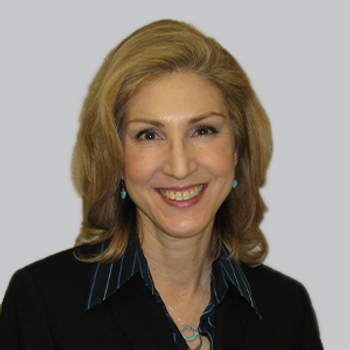
Marian LaMonte, MD, MSN, FAAN, chief of neurology at Ascension Saint Agnes, discussed her team’s efforts to improve compliance in providing stroke discharge instructions.

The county with the highest premature stroke mortality was 20.78 times higher than that of the county with the lowest mortality. The data have raised alarms among the study authors.

Jason Poon, MD, neurologist at University of Utah, discussed his study on diagnostic accuracy in telestroke consultations.

Acute encephalopathy, coma, and stroke were among clinically diagnosed neurological symptoms that increased mortality risk in patients with COVID-19.

The degree of increased risk for subsequent ischemic events following intracerebral hemorrhage persisted after adjusting for basic demographic characteristics and traditional vascular risk factors.
Here's what is coming soon to NeurologyLive.
Future steps, including plans for global studies, are currently being evaluated by Biogen, with the final results from the phase 2a study expected to be released in an upcoming scientific forum.
Neurology News Network for the week ending May 15, 2021.