
Catch up on any of the neurology news headlines you may have missed over the course of the last month, compiled all into one place by the NeurologyLive team.
Catch up on any of the neurology news headlines you may have missed over the course of the last month, compiled all into one place by the NeurologyLive team.

The director of Banner Alzheimer’s Institute spoke on the importance of biomarkers in Alzheimer disease, as well as the ongoing improvements in digital technologies.
Although infusion-related reactions were among the most frequently reported AEs, most patients did not experience them, and the majority of those who did reported mild to moderate reactions.
The assistant professor of neurology at Harvard Medical School provided insight on how to improve care for posttraumatic headache, as well as limitations and benefits to nerve block surgeries.

Investigators extended the follow-up period of the RESTART study, which concluded that antiplatelet therapy was safe for up to 5 years following intracerebral hemorrhage.

The association of modASPECTS and outcome persisted even after adjusting for stroke risk factors that may have independent associations with poor outcome and age at stroke ictus.
Following the COVID-19 pandemic, investigators are seeing a shift towards remote trials in an effort to avoid participants having to be in-person at a brick-and-mortar site.

Jacobo Mintzer, MD, MPA, discussed a wide range of Alzheimer disease related topics, including the use of methylphenidate, reactions to AAIC, and the aducanumab approval.

The assistant professor of pediatrics and neurology at the University of Colorado School of Medicine discussed the importance of headache research in gender minorities.

Peter Crino, MD, and Steven Roberds, PhD, join NeurologyLive to discuss several topics regarding the state of care for tuberous sclerosis complex, and the future of and advances in research.

Here's what is coming soon to NeurologyLive.

Both short and long sleep durations were associated with worse self-reported cognitive function and multiple lifestyle outcomes, suggesting a U-shaped association.

Investigators evaluated the effect of pain on sleep disturbance and vice-versa over time, finding stable differences between patients in sleep and pain.
Discussing the key takeaways for clinicians when it comes to treating this patient population, the assistant professor of pediatrics and neurology at the University of Colorado School of Medicine emphasized the need to improve communication.

Older adults with CI were found to require a significantly higher number of visits during home health care episodes, particularly skilled nursing visits.

The 50% responder rate was 58.3% at 12 months and 50.0% at the last visit, with corresponding seizure freedom rates of 23.2% and 20.5%, respectively.
Neurology News Network for the week ending September 4, 2021.

Two study authors provide commentary on data that suggests that offering clinicians more perspective into the individual patient experience can help inform care for those individuals with DRP.

Craig Martin, CEO, Global Genes, offered his inside perspective on the multistakeholder initiative and the fruits it hopes to bear for patients with rare CNS diseases.
Take 5 minutes to catch up on NeurologyLive's highlights from the week ending September 3, 2021.
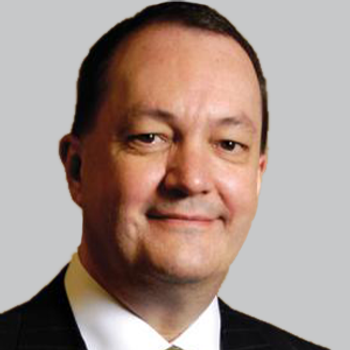
Impel’s agent is designed to deliver a lower dose of dihydroergotamine mesylate (DHE) compared with other nasally administered products.
The assistant professor of pediatrics and neurology at the University of Colorado School of Medicine spoke on a recent narrative review investigating headache in gender minorities.

Episode 14 of the AUPN Leadership Minute features Alissa Willis, MD, of University of Mississippi Medical Center; and Nina Browner, MD, of University of North Carolina School of Medicine. [WATCH TIME: 5 minutes]

Investigators concluded that the most sensitive screening tool for OSA in women with IIH was the STOP-BANG questionnaire.
The director of the Banner Alzheimer’s Institute discussed areas of success and those facing challenges for Alzheimer disease clinical trials.

Patients with chronic migraine were advised to reduce cannabis use to aid in reducing medication overuse headache.
Advocacy organization Cure SMA provides insight on the importance of continuing to push for standardized newborn screening and how it can positively impact outcomes in SMA.

Investigators found that strength training improved muscle strength, balance, gait speed, and gross motor function in pediatric and adolescent patients.

The professor of neurology at Emory University School of Medicine spoke on the potential for the new AASM hypersomnolence guideline to educate providers treating patients with sleep disorders.

Davis offered comments on the recent approval of brivaracetam (Birviact; UCB) as a treatment for pediatric patients with partial-onset seizures and its potential for these patients.