
The amount of neurofilament light may be indicative of neuron injury in the brain.
The amount of neurofilament light may be indicative of neuron injury in the brain.
Two-thirds of patients with critical results were African American, demonstrating an additional need to explore associations between ethnicity and COVID-19.

Neurology News Network for the week ending November 21, 2020.
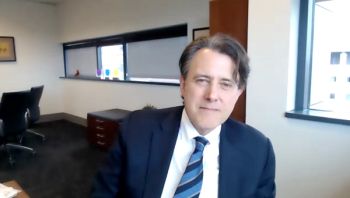
The chair of the department of neurology at The Ohio State University discussed the idea of the multiple sclerosis prodrome, presented in a plenary address at the MS Virtual 2020 meeting.
Take 5 minutes to catch up on NeurologyLive's highlights from the week ending November 20, 2020.
The associate professor of neurology at the Icahn School of Medicine at Mount Sinai discussed how he and colleagues are assessing nabiximols in hopes of adding it to the short list of approved THC agents.
Results from a study showed that the higher number of pregnancies, the later the progressive multiple sclerosis onset.
After the 12-month open-label period, those treated with patisiran from the phase 3 APOLLO and phase 2 open-label parent studies maintained their improvements on the modified Neuropathy Impairment Score +7.
The professor from the Universite de Sherbrooke discusses the logistical hardships of trying to prescribe a diet as a method of treatment.
"Mind Moments," a podcast from NeurologyLive, brings you an exclusive interview with Paul Fisher, MD, and Gerald Grant, MD, FACS.
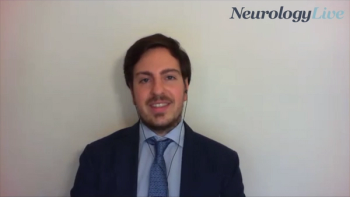
The neurology resident at Magna Graecia University of Catanzaro discussed his team’s efforts to simplify differentiation between PSP and PD.

Machine learning models analyze routine clinical variables to determine the risk of delayed ischemic stroke and other outcomes.
An overview of the NeurologyLive tweet chat honoring National Epilepsy Awareness Month, featuring highlighted contributions from the medical community.
The chair of the department of neurology at The Ohio State University discussed some of the main themes and takeaways from the MS Virtual 2020 meeting.

The GABAergic mechanism of sodium oxybate was able to increase simple movements in non-rapid eye movement sleep.

The chief scientific officer of the Parkinson’s Foundation detailed the benefits expanded access to genetic testing for patients with Parkinson disease would bring to the research setting.
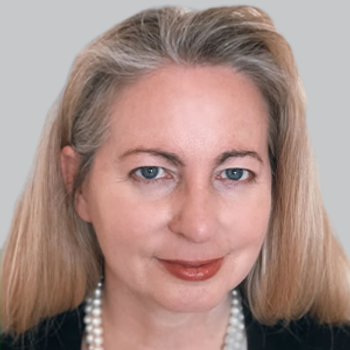
Sharon Hesterlee, PhD, the executive vice president and chief research officer at MDA spoke to the benefits of its new partnership with DNAnexus.

Recent studies of the CSF P-tau217 blood biomarker suggest it may help to simplify the diagnosis of Alzheimer disease.
The Consortium of Multiple Sclerosis Centers is seeking poster and platform presentations for the 2021 Annual Meeting, which will take place June 2–5, 2021.
The associate professor of neurology at the Icahn School of Medicine at Mount Sinai addresses the need for new treatments for MS spasticity.
The NDA is supported by the phase 3 STOP 301 trial, which included more than 5650 migraine attacks in patients with or without aura.

The vice president of Clinical Research at Eisai provides updates on the MOMENTUM trials which will examine lorcaserin as a potential treatment for patients with Dravet syndrome.
The professor from the Universite de Sherbrooke also discusses other factors that increase cognitive decline in patients with MCI.

Frailty index score can identify patients at risk for cognitive dysfunction and might be an important marker with potential prognostic value.

The director of the Montefiore Einstein Center for the Aging Brain provided insight on how his studies may bring Alzheimer disease 1 step closer to prevention.

This latest FDA indication includes adjunctive therapy for those aged 4 years and older in both the CV and intravenous formulations of the UCB product.

The first trial of tranexamic acid in patients with known ongoing intracerebral hemorrhage shows insignificance compared with placebo, with future studies of simpler recruitment methods needed.
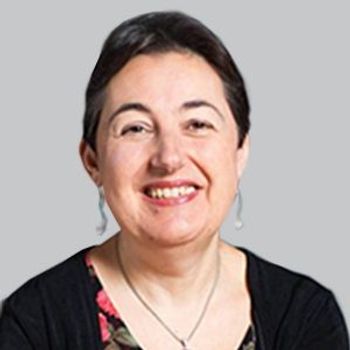
Jacqueline French, MD, director, Translational Research and Clinical Trials in Epilepsy, NYU Grossman School of Medicine, spoke to the takeaways of a recent study of nonmotor seizures.
The director of the neurology residency training program at the Icahn School of Medicine at Mount Sinai addresses the challenges of approving cannabinoid products in the US.
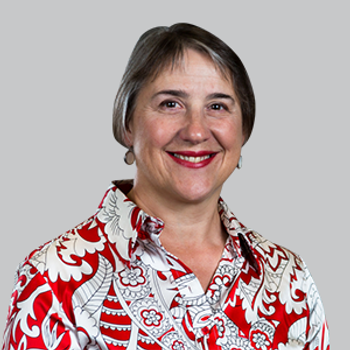
NeurologyLive spoke with Julie Bernhardt, PhD, to learn more about her investigations into developing guidelines for very early mobilization for stroke treatment.