

Results of the 311 study of parampanel showed improvements in response/ seizure frequency regardless of age or concomitant enzyme-inducing anti-seizure drug use.
Results of the 311 study of parampanel showed improvements in response/ seizure frequency regardless of age or concomitant enzyme-inducing anti-seizure drug use.

In a review of 5 clinical trials, non‐vitamin‐K oral anticoagulants were shown to be associated with a lower risk of fatal and disabling, as well as non-disabling, stroke compared to warfarin.

The recalled lot of lamotrigine used to treat epilepsy and bipolar disorder is set to expire in June 2021 and was distributed between August 23 and August 30, 2019.
The drug, which is a schedule IV controlled substance, is the first nasal spray approved as rescue medication in patients 6 years and older with epilepsy.
Those achieving ≥50% response attained migraine reductions nearly double that of the full cohort, with data possibly providing context for setting realistic patient expectations regarding the spectrum of response.
The associate professor of neurology and director of the Women With Epilepsy Program at Northwestern University Feinberg School of Medicine discussed the rates of breastfeeding among women with epilepsy.
The professor of neurology at NYU Langone Medical Center discussed the importance of these safety data for intranasal diazepam, and why future comparative data would be essential.

The assistant professor of psychology at East Carolina University spoke about the need for patient-specific, and sometimes creative, approaches to improving adherence, which itself involves more than just medication.
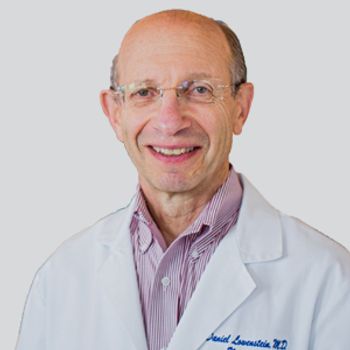
Daniel Lowenstein, MD, professor of neurology and executive vice chancellor and provost at the University of California, San Francisco, discussed the ongoing trials and steps being taken to turn the gut microbiome into a realistic therapeutic option for patients with epilepsy.

Neurology News Network for the week ending January 11, 2020.
The professor of neurology and epilepsy specialist at the Cleveland Clinic Lerner College of Medicine discussed the research on seizure freedom scores and their influence on individualized clinical care.

The proprietary formulation of aspirin and fumaric acid addresses issues with pretreating fumarate flush, a bothersome side effect of popular MS disease-modifying therapy Tecfidera.

New 52-week data from an extension study has suggested that recently FDA-approved ubrogepant (Ubrelvy; Allergan) is safe and tolerable, with minimal treatment-related adverse events with 2 doses assessed.
The assistant professor of neurology at the University of Wisconsin provided insight on the additional oversight required when caring for adult epilepsy patients who remain on the ketogenic diet.

The findings suggest that the communicated risk may only apply to patients with very recent ischemic stroke.
The professor of neurology and executive vice chancellor and provost at the University of California, San Francisco detailed the connection between the gut microbiome and epilepsy.

The cross-company collaborative will be supported by 8 sponsors and will make no-charge genetic testing available for all children under 8 with unprovoked seizures.
The assistant professor of neurology at the University of Wisconsin discussed the challenges of transitioning patients on the ketogenic diet from pediatric to adult epilepsy care.

Lara Jehi, MD, professor of neurology and co-director of Network Capacity for the Clinical and Translational Science Collaborative of Cleveland Clinic, has been appointed as the inaugural chief research information officer.
Daniel Lowenstein, MD, professor of neurology and executive vice chancellor and provost at the University of California, San Francisco spoke to the research on the gut microbiome and its parallels to epilepsy.
The trial will determine whether autologous hematopoietic stem cell transplantation is a more appropriate treatment option for patients with severe forms of relapsing MS compared to currently available biologic drugs.

MONEAD study data suggest that AED drug exposure in infants is low compared with their mothers who were taking AED therapy, and thus supports the general safety of breastfeeding by mothers with epilepsy.
The medical director of the Comprehensive Stroke Center at Cleveland Clinic provided an in-depth look at the problems surrounding access to care, including those that limit the application of telemedicine.
Despite showing great promise to provide additional and supplementary care to patients with a number of conditions, including epilepsy, some barriers remain to bringing telemedicine to more providers and patients.

The guidelines included a review of 23 studies, suggesting that patients with normal neurological examinations do not require neuroimaging assessments as part of migraine treatment.

The drug was associated with significant improvements in sleep onset, sleep efficiency, and wake-after-sleep onset for both doses compared with placebo.
The director of the Pediatric Epilepsy Program at Weill Cornell Medicine detailed ways to utilize quality measures to improve implementation of in patients with infantile spasms.

The newly created 28-question assessment showed improved item targeting compared with the current standard Amyotrophic Lateral Sclerosis Functional Rating Scale.

Neurology News Network for the week ending January 4, 2020.

Recent findings suggest that patients with Parkinson disease may have impaired swimming ability, even in light of motor improvements with treatment.