





MS and Demyelinating Disorders
Latest News
Advertisement
Latest Videos

CME Content






Advertisement
More News
The assistant professor at the University of Alabama at Birmingham discussed the transition from pediatric to adult care for patients with multiple sclerosis as well as the challenges presented in diagnosis, treatment, and understanding the long-term impact of the disease. [WATCH TIME: 5 minutes]

METEOROID is the first study to evaluate the efficacy and safety of satralizumab, an FDA-approved therapy for NMOSD, in patients with MOGAD.
Amy Perrin Ross, APN, Patricia Melville, NP-C, and Aliza Ben-Zacharia, PhD, DNP, ANP-BC discuss importance of evaluating immunogenicity of biosimilars.
Amy Perrin Ross, APN, Patricia Melville, NP-C, Aliza Ben-Zacharia, PhD, DNP, ANP-BC, and John Kramer, PA-C discuss approval process of biosimilars.

A panel of experts in the treatment of patients with NMOSD discusses and offers insight into the vital aspects of diagnosis, disease management, and therapeutic strategy.

Here's some of what is coming soon to NeurologyLive® this week.
Test your neurology knowledge with NeurologyLive®'s weekly quiz series, featuring questions on a variety of clinical and historical neurology topics. This week's topic is multiple sclerosis.
Take 5 minutes to catch up on NeurologyLive®'s highlights from the week ending June 30, 2023.
The head of the MS Center at Methodist Hospitals and assistant professor of neurology at Indiana University talked about the significance of diversity and the health disparities faced by patients with multiple sclerosis in the LGBTQ+ community. [WATCH TIME: 3 minutes]

Mind Moments®, a podcast from NeurologyLive®, brings you exclusive interviews with Amit Bar-Or, MD; Gavin Giovannoni, MBBCh, PhD; Dayna Johnson, PhD, MPH, MSW, MS; John Winkelman, MD, PhD; Laxman Bahroo, DO; Ling Wan-Albert, OTD, OTR/L; Sara Pavitt, MD; and Ali Ezzati, MD. [LISTEN TIME: 28 minutes]
Review the latest peer-reviewed articles dedicated to the multidisciplinary management of multiple sclerosis published in the International Journal of MS Care.
A group of experts in the care of patients with neurological conditions—Gavin Giovannoni, MBBCh, PhD, FCP, FRCP, FRCPath; Andrew Solomon, MD; Anne H. Cross, MD; Anthony Feinstein, MPhil, PhD, FRCP; Brian G. Weinshenker, MD, FRCP—shared their perspectives on hot topics of treatment and management in multiple sclerosis from the 2023 Consortium of Multiple Sclerosis Centers Annual Meeting.

John DeLuca, PhD, senior vice president for Research and Training at Kessler Foundation, discussed the challenges in understanding and measuring fatigue in patients with multiple sclerosis.
As a recap from CMSC 2023, get caught up on some of the latest news in neurology as the NeurologyLive® team shares some of our data updates.
Clinical experts discuss differences and similarities between biosimilars and reference products.
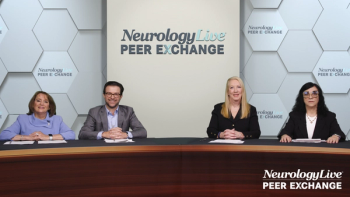
Four advanced practice providers discuss biosimilars and how they can play an important role in healthcare.

Switching to Ocrelizumab Following Natalizumab Associated With Lowest Relapse, Discontinuation Rates
In addition to increased relapse rates, use of fingolimod was associated with a 49% higher risk for disability accumulation in comparison with ocrelizumab.
Here's some of what is coming soon to NeurologyLive® this week.
Test your neurology knowledge with NeurologyLive®'s weekly quiz series, featuring questions on a variety of clinical and historical neurology topics. This week's topic is neuromuscular disorders.

High and low doses of frexalimab resulted in reductions of new or enlarging T2 lesions and total T1 gadolinium-enhancing lesions over a 3-month period.
Take 5 minutes to catch up on NeurologyLive®'s highlights from the week ending June 23, 2023.
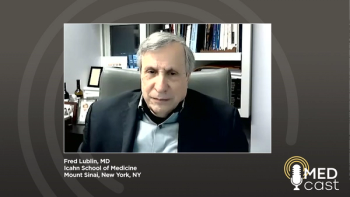
Dr Krieger, Dr Brandstadter, and Dr Lublin discuss the advances made in recognizing and managing multiple sclerosis over the last few decades and the challenges that remain.

Compared with placebo, inebilizumab-treated participants showed attenuated biomarker elevation during attacks and reduced biomarker levels over time in the absence of adjudicated attacks.
Here's some of what is coming soon to NeurologyLive® this week.
Test your neurology knowledge with NeurologyLive®'s weekly quiz series, featuring questions on a variety of clinical and historical neurology topics. This week's topic is the history of the American Headache Society.
Advertisement
Advertisement
Trending on NeurologyLive - Clinical Neurology News and Neurology Expert Insights
1
uniQure Submits BLA for Gene Therapy in HD, AAN, AHS Issue Updated Guideline on Migraine Prevention, CTE Prevalence, Brain Donation Findings in Former NFL Players
2
American Academy of Neurology, American Headache Society Issue Updated Guideline on Migraine Prevention
3
EU Approves Modified-Release Carbidopa/Levodopa Capsules for Parkinson Disease Motor Fluctuations
4
uniQure Submits BLA for Gene Therapy in Huntington Disease
5