









The professor of neurology at Mayo Clinic College of Medicine discussed lesser-known facets of NMOSD and how the disease evolves over time.
The professor of neurology at Mayo Clinic College of Medicine discussed lesser-known facets of NMOSD and how the disease evolves over time.
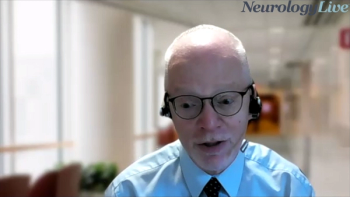
The professor of neurology at the Mayo Clinic College of Medicine detailed the strides made in recognizing NMOSD as its own disease, along with specific biomarkers that identify it.
Among independent variables including DMT group, time from COVID-19 infection, total IgG level, age, sex, obesity, and COVID-19 severity, only the anti-CD20 group was associated with decreased odds of positive serology.
Complete resolution of the index T2-lesion and resolution of all T2 lesions occurred most often in patients with MOGAD rather than AQP4-IgG-NMOSD or MS.

Investigators evaluated the occurrence of multiple sclerosis and neuromyelitis optica spectrum disorder in Australian and New Zealand Indigenous populations, comparing data with ancestral data.

The associate professor of neurology at Mayo Clinic Rochester discusses the importance of alternative diagnoses and rarer presentations of MS, in order to avoid misdiagnoses and inappropriate treatment for patients.
These study results highlight the interest in immunosuppressive therapy taken before or during pregnancy and to reduce the risk of relapse during pregnancy and 1 year postpartum.
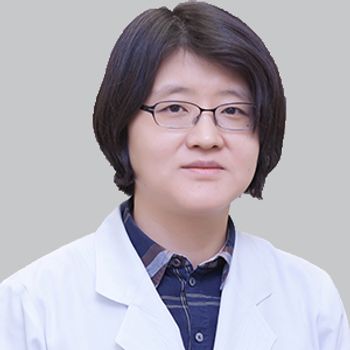
Serum GFAP levels showed consistent correlations with disease activity and the largest area under the ROC curve to differentiate attacks from remissions in individuals with NMOSD.

The basis for the approval was data from the phase 3 SAkuraSky and SAkuraStar studies, which combined included more than 170 patients who were treated with either satralizumab or placebo.

NeuroMetrix will be evaluating the effectiveness of the transcutaneous electrical nerve stimulation platform in pain relief for patients with neuromyelitis optica spectrum disorder.
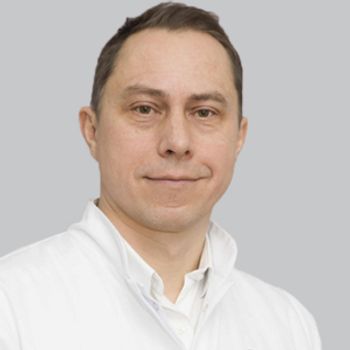
Although existing research has shown structural differences between multiple sclerosis and neuromyelitis optica spectrum disorder in following optic neuritis, the new report also covers non–optic neuritis eyes.
The clinical research director at the UCSF Multiple Sclerosis Center shared some of the takeaways from his research for the clinical community of specialists treating patients with NMOSD.

NMOSD is associated with elevated levels of the pleiotropic cytokine interleukin-6, making the cytokine an apt therapeutic target.
The clinical research director at the UCSF Multiple Sclerosis Center discussed the findings of the long-term open-label assessment of inebilizumab in neuromyelitis optica spectrum disorder.

Patients in the randomized controlled trial and the open-label extension treated with inebilizumab experienced similar rates of being attack-free, extending as far as 4 years.

The findings were consistent with the established safety profile for eculizumab in other non-neurologic indications, according to study authors.