
The vice dean for data science at Duke University School of Medicine talked about the main findings from his latest published study on stroke risk algorithms. [WATCH TIME: 3 minutes]
The vice dean for data science at Duke University School of Medicine talked about the main findings from his latest published study on stroke risk algorithms. [WATCH TIME: 3 minutes]
The director of Neuroinnovation and Multiple Sclerosis & Neuroimmunology Imaging Program at UT Southwestern Medical Center provided insight on the promising future of treating radiologically isolated syndrome at its earliest stages.
According to a medical records analysis, patients with late onset NMOSD experience transverse myelitis more frequently at disease onset in comparison with early onset NMOSD.
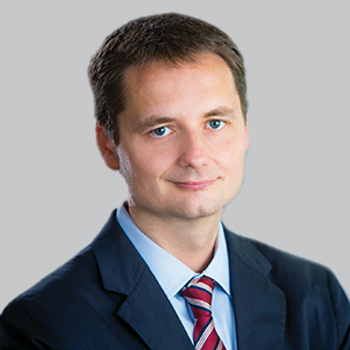
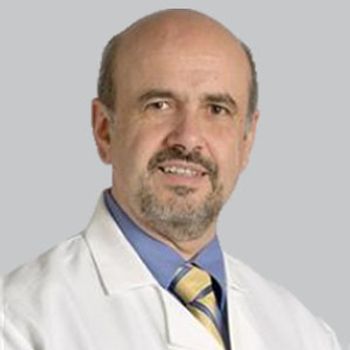
Michael Pencina, PhD, vice dean for data science at Duke University School of Medicine spoke about assessing the differences in stroke risk with Americans using algorithms.
The phase 3 KINECT-HD study, which showed statistically significant differences from placebo in Total Maximal Chorea score, served as one of the main parts to valbenazine’s supplemental new drug application.
At the 2022 AES Conference, the Baldwin Keyes professor of neurology at Thomas Jefferson University talked about how clinicians and patients might define a seizure. [WATCH TIME: 3 minutes]
KM-819, a potent inhibitor of FAF1, a key regulatory protein in cell death pathways, is currently being assessed in a 2-part trial, with results expected to help guide a future 24-month study.

Michelle Chen, PhD, a neuropsychologist at Rutgers University, talked about the motivations behind her most recent published study on incorporating keystroke dynamics in MS cognition.
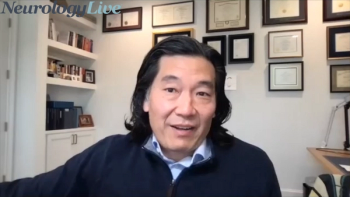
The director of Neuroinnovation and Multiple Sclerosis & Neuroimmunology Imaging Program at UT Southwestern Medical Center discussed the presentation of radiologically isolated syndrome and identifying candidates for treatment. [WATCH TIME: 4 minutes]

Parents who had a child with multiple sclerosis and had either low socioeconomic position or family health condition were at particularly high risk for low health-related quality of life.
Similar to results at 24-months, findings showed improvements in patient outcomes with the SCS System including quality of life, functional ability, mood, and sleep.
At the 2022 AES Conference, the Baldwin Keyes professor of neurology at Thomas Jefferson University, talked about what defines a ‘seizure’ and changing the terminology. [WATCH TIME: 5 minutes]

Here's some of what is coming soon to NeurologyLive® this week.
The trial’s 2-stage design seeks to answer questions about the dosing and efficacy of brivaracetam, a previously approved agent for partial-onset seizures in patients with childhood absence epilepsy and juvenile absence epilepsy.
Test your neurology knowledge with NeurologyLive®'s weekly quiz series, featuring questions on a variety of clinical and historical neurology topics. This week's topic is genetic neurological disorders.
After a 12-month period, patients were able to use the implant for routine digital activities, such as texting, emailing, personal finance, online shopping, and communication of care needs.
One model of AD suggests that Aβ pathophysiology triggers downstream molecular pathways, including tauopathy, which lead to cortical neurodegeneration, and cognitive decline is further attributed to the associated neurocortical Aβ plaques.
Neurology News Network for the week ending January 21, 2022. [WATCH TIME: 3 minutes]
The FDA lifted its clinical hold on Astellas Pharma's FORTIS trial for evaluating AT845 in adults with late-onset Pompe disease.
At the 2022 AES Conference, the head of neurosciences at the Jane and John Justin Neurosciences Center of Cook Children’s Medical Center, talked about epilepsy surgery as an alternative for some patients. [WATCH TIME: 5 minutes]
Take 5 minutes to catch up on NeurologyLive®'s highlights from the week ending January 20, 2023.
The assistant professor in the Department of Neurology at the University of Wisconsin spoke about healthcare providers establishing trust with their patients and improving health equity. [WATCH TIME: 3 minutes]
The director of Neuroinnovation and Multiple Sclerosis & Neuroimmunology Imaging Program at UT Southwestern Medical Center discussed ARISE, the first-ever study to show disease-modifying effect in radiologically isolated syndrome. [WATCH TIME: 3 minutes]
Nearly 94% of nusinersen doses recorded in electronic health records database and more than 80% of doses recorded in the claims databases were received on time according to the recommended dosing schedule.
In the letter, the FDA specifically required that Eli Lilly provide data from at least 100 patients who received a minimum of 12 months of continuous treatment with donanemab.
The director of the Montefiore Einstein Center for the Aging Brain detailed the efforts being made to support individuals in underrepresented communities and raise awareness for cognitive decline. [WATCH TIME: 4 minutes]
The study provided class II evidence that CYP2C19 loss of function carriers with minor stroke or transient ischemic attack at low risk, but not high risk, of recurrent stroke received greater benefit from ticagrelor and aspirin rather than clopidogrel and aspirin.
At the 2022 AES annual meeting, the assistant professor in the Department of Neurology at the University of Wisconsin talked about her presentation and the key actions for addressing health equity. [WATCH TIME: 4 minutes]
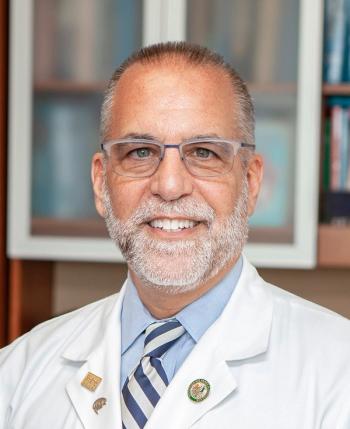
Sacco, who also served as president of the American Heart Association/ American Stroke Association, succumbed to a brain tumor on January 17, 2023.
A systematic review revealed inconsistencies in the literature for assessing subjective cognitive complaints in cognitively normal patients with Parkinson disease.