

Regardless of prophylactic or therapeutic paradigms, treatment with evobrutinib resulted in significantly reduced disease severity and improvement of immunopathological parameters of MS disease.
Regardless of prophylactic or therapeutic paradigms, treatment with evobrutinib resulted in significantly reduced disease severity and improvement of immunopathological parameters of MS disease.
A group of experts in the care of patients with rare diseases—James F. Howard, MD; Sabrina Paganoni, MD, PhD; Darcy Kruger, MD, PhD; Veronica Hood, PhD; and Bruce Cree, MD, PhD—shared their perspectives on hot topics of treatment and management.

On Rare Disease Day, the director of the Division of Neuromuscular Diseases at UC Irvine commented on the potential of AT845 for this patient population. [WATCH TIME: 3 minutes]
In recognition of Rare Disease Day, the NeurologyLive® team offered an extensive update on the state of care and treatment for a wide range of rare neurological diseases, including Kleine-Levin syndrome, amyotrophic lateral sclerosis, cerebral palsy, Lennox-Gastaut syndrome, and more.
The global compound development team leader at Janssen discussed the importance of Rare Disease Day and one in particular, myasthenia gravis, which affects approximately 36,000 to 60,000 people in the US. [WATCH TIME: 3 minutes]

Here's what is coming soon to NeurologyLive®.
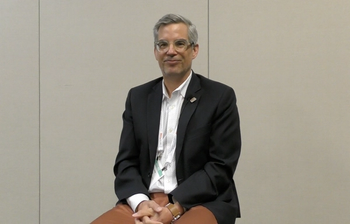
The executive vice president of the National MS Society spoke on the primary theme of ‘biomarkers’ at this year’s meeting, as well as the areas he believes require the most attention for patients with MS. [WATCH TIME: 3 minutes]

Three-year follow-up data presented at the ACTRIMS Forum 2022 suggest cortical lesion burden, particularly subpial lesions, is the primary driver of worsening disability and conversion to secondary progressive MS.

Mechanistic data from the phase 2 REPAIR-MS trial support blinded efficacy data from the VISIONARY-MS trial, suggesting that Clene Nanomedicine’s investigational CNM-Au8 has the potential to drive clinically meaningful improvements in recognized MS functional end points.

A pair of datasets from the CLASSIC-MS and GLIMPSE studies of cladribine (Mavenclad; EMD Serono) suggest that the oral tablet sustained delayed conversion to clinically definite MS as well as favorable efficacy to dimethyl fumarate, fingolimod, and teriflunomide.

Using a diagnostic threshold of at least 1 paramagnetic rim lesion, MS was identified with a sensitivity of 80% and specificity of 88%, which increased to 95% after excluding patients with RIS and CIS.

Additional study is required to further investigate the integration of FES cycling into clinical practice for management of SPMS.
Neurology News Network for the week ending February 26, 2022. [WATCH TIME: 3 minutes]

Investigators concluded that the Multiple Sclerosis Disease Activity test can assist in monitoring therapeutic response to glatiramer acetate and biologic agents.
Take 5 minutes to catch up on NeurologyLive®'s highlights from the week ending February 25, 2022.
At the ACTRIMS Forum 2022, the executive vice president of the National MS Society commented on the need to diagnose and initiate treatment for MS early, as well as employing wellness strategies to reduce risk of comorbidities. [WATCH TIME: 4 minutes]

At the 12- and 24-week time points, patients in both diet groups demonstrated statistically significant differences in total cholesterol, low-density lipoprotein, body weight, and body mass index.

For patients who remained on 60-mg tolebrutinib through Part B of the study, the number of new Gadolinium-enhancing lesions and new/enlarging T2 lesions remained low.

Mind Moments®, a podcast from NeurologyLive®, brings you an exclusive interview with Konstantin Karmazin, MD. [LISTEN TIME: 26 minutes]

Investigators caution health care providers to consider specific risks of severe COVID-19 infection before initiating this therapy.
The executive vice president of the National MS Society spoke on the updated data from an analysis on economic burden, which illustrated the ‘staggering’ impact of the disease. [WATCH TIME: 4 minutes]

Investigators conducted a study to assess the effects of CR diet on immune cell subsets, concluding that observed changes could be mediated by changes in classes of lipid metabolites.

There were no statistically significant differences in infusion-related reactions among patients with multiple sclerosis who tested positive or negative for treatment-emergent antidrug antibodies.

The professor of neurology at Cleveland Clinic and president of ACTRIMS noted his excitement for this year’s Forum, which will feature presentations on a variety of topics in the field of multiple sclerosis. [WATCH TIME: 2 minutes]

After 12 months of treatment, the 2 disease-modifying therapies were comparable in efficacy, with less treatment switching and discontinuation in cladribine-treated patients.

Konstantin Karmazin, MD, outlined the potential future initiatives for Prime PD, including incorporating advanced practice providers into the model.

Despite the majority of program directors reporting the importance of training in cerebral palsy, they also felt that residents were not very well prepared to manage the condition

The Distinguished Professor Emerita at Indiana University School of Nursing spoke on what the task force discovered in a review of literature on stigma from 1985 through 2019. [WATCH TIME: 7 minutes]

After Rapid LVO installation, CTA to groin puncture time decreased and 90-day clinical outcomes, expressed using modified Rankin Scale, were improved.

The director of Geriatric Psychiatry at the St Louis University School of Medicine discussed the need to improve awareness of the signs of psychiatric-related symptoms and to eliminate the stigmas associated with them. [WATCH TIME: 3 minutes]