

Tardive dyskinesia can present many challenges in its treatment and can be difficult to differentiate from similar disorders.
Tardive dyskinesia can present many challenges in its treatment and can be difficult to differentiate from similar disorders.

The new guideline addresses recent FDA-approved prescription medications to treat narcolepsy, idiopathic hypersomnia, and Kleine-Levin syndrome.

Experts provide a summary of the management of commonly encountered risk factors for secondary ischemic stroke and transient ischemic attack based on the newly published 2021 AHA/ASA recommendations.

Neurology News Network for the week ending August 21, 2021.

The agent’s safety profile has been studied in more than 1200 individuals to date across several inflammatory diseases, with data indicating that the high selectivity of fenebrutinib may limit off-target effects.
Take 5 minutes to catch up on NeurologyLive's highlights from the week ending August 20, 2021.

The chief medical officer of Wave Life Sciences spoke on the FOCUS-C9 study and the potential of WVE-004 to generate positive outcomes for patients.
Trigger avoidance-only strategies don’t actually help migraine patients improve. These are the proactive behaviors that do.
The professor of neurology at the Mayo Clinic College of Medicine highlighted the importance of the diagnostic process and implementing an early treatment regimen for patients with NMOSD.

Yanhong Shi, PhD, director, stem cell biology research, City of Hope National Medical Center, discussed the potential of a new brain organoid model, which was developed to study sporadic Alzheimer disease.

Investigators used statistical analysis to evaluate the effectiveness of the treatment method, with results indicating it could be a viable method for patients with MS.
Investigators found that phase advance was associated with late-stage PD, mostly due to active offset advance, amplitude reduction, and weakened robustness.
The potential of a new investigational treatment, WVE-004, was discussed by the chief medical officer of Wave Life Sciences, the company that developed the molecule for C9-ALS and C9-FTD.
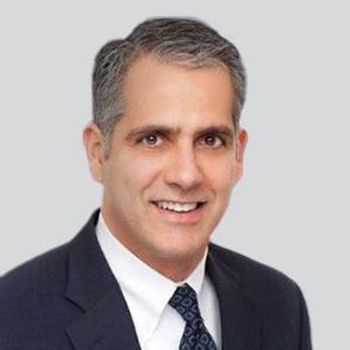
After the FDA approval for Jazz Pharmaceuticals' oxybates combination therapy, Robert Iannone, MD, MSCE, offered insight into the potential effects the drug may have on the clinical care of patients with idiopathic hypersomnia.
The global head of Neurodegeneration at Roche/Genentech shared insight into the development of the company’s NeuroToolKit and its use in its Alzheimer disease research.

γ-Hydroxybutyrate, known as GHB or oxybate, is a physiological compound present in the human body as both a precursor and degradation product of GABA.

Patients with focal seizures showed a median 25.2% reduction in the frequency of focal seizures, the most common seizure type in patients with tuberous sclerosis complex.

Recent advances in stereoelectroencephalography and laser ablation may help convert those who may be candidates for pediatric epilepsy surgery to those who proceed with a consultation.

Multivariable logistic regression models found age to be the only characteristic associated with the risk of CELs at baseline in all datasets, with a higher age associated with a lower risk of CELs.

The director of stem cell biology research at City of Hope spoke on the newly developed brain organoid, which has the potential to help investigators identify pathological mechanisms of Alzheimer disease.
The director of the Comprehensive Center for Brain Health at the University of Miami Miller School of Medicine provided context on greenhouse spaces and their preventive benefits in Alzheimer disease.

Microvesicles excellently discriminated between the relapsing-remitting MS and control groups and between radiologically isolated syndrome and unspecific brain lesions.
Yanhong Shi, PhD, director of stem cell biology research at City of Hope, discussed the new brain organoid, which was derived from human induced pluripotent stem cell technology to better study and understand sporadic Alzheimer disease.

Investigators found SESI-HRMS measurements could be useful for breath analysis in conjunction with OSA screening questionnaires.
The professor of neurology at Mayo Clinic College of Medicine discussed which biomarkers have shown the most relevancy in NMOSD and which deserve more attention.
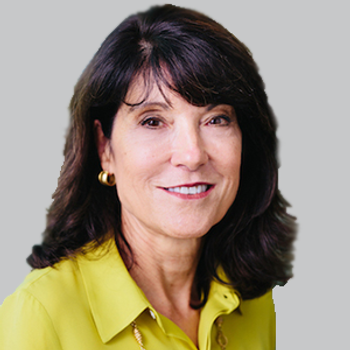
The chief medical officer of NeuroPace discussed the newly developed nSight Platform, which allows physicians to remotely track seizure burden and activity for patients with drug-resistant focal epilepsy.

Investigators identified 4 susceptible loci with large effect sizes, one of which has previously been associated with migraine.
The director of the division of stem cell biology research at City of Hope discussed the potential of the model to study the mechanistic causes of Alzheimer disease and to test dementia drugs currently in development.

Successful epilepsy surgery in adults has been followed by forced normalization, depression, and memory issues, resulting in questions about the use of the metrics in the study of broader outcomes—a problem even more prominent in pediatric epilepsy surgery.

Program chairs Fred D. Lublin, MD, and Stephen Silberstein, MD, offer insight into the third annual IFN meeting, which is set for September 17-18, 2021, to be held in a virtual setting.