
The CEO of Biohaven Pharmaceuticals discussed the company’s new collaboration, which has made rimegepant (Nurtec ODT) available for prescription through Cove’s telemedicine platform.
The CEO of Biohaven Pharmaceuticals discussed the company’s new collaboration, which has made rimegepant (Nurtec ODT) available for prescription through Cove’s telemedicine platform.

The director of the Multiple Sclerosis Program at Cleveland Clinic Lou Ruvo Center for Brain Health discussed the correlation between age and disease duration in MS, as well as what was learned from a subanalysis of the EXPAND study of siponimod.

The professor of neurology at the University of Vermont Larner College of Medicine and founding president of the Alliance for Headache Disorders Advocacy discussed the need to get patients with migraine access to medications during the COVID-19 pandemic.
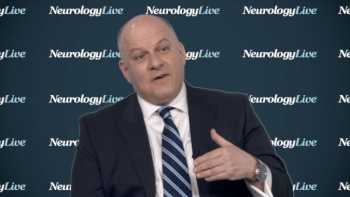
The Director of the Sleep Disorders Center and vice chair of the department of neurology at UCLA David Geffen School of Medicine describes why labeling patients can lead to a misdiagnosis of narcolepsy.
Biohaven Pharmaceutical’s oral acute migraine agent rimegepant (Nurtec ODT) is the first branded medication available through Cove’s platform, which provides consults with independent health care providers and access to prescriptions.

In addition to having a lowered number of headache days, around 20% of patients transformed to low-frequency, episodic migraine on follow-up.

The professor of neurology at the University of Vermont Larner College of Medicine and founding president of the Alliance for Headache Disorders Advocacy spoke about the impact the COVID-19 pandemic has had on his practice.

Selumetinib becomes the first therapy approved for pediatric patients with Neurofibromatosis type 1.

Incorporating remote electrical neuromodulation into the standard of care may have a positive impact on migraine management by reducing the reliance on acute medications.

The probability of relapse and disability progression during pregnancy was associated with time when natalizumab was stopped and number of relapses in the year before natalizumab treatment.

The drug successfully demonstrated an ability to reduce mutant huntingtin protein, but the clinical benefits of that effect are yet to be determined.

Examining the underlying roles of poly adenosine diphosphate-ribose (PARP) play in the neurodegeneration of Parkinson disease.

The assistant professor of Neurology, Concussion and Headache Medicine divisions, Mayo Clinic, Scottsdale, Arizona discussed the evolving migraine treatment landscape and how they have been incorporated into her practice.

Neurology News Network for the week ending April 11, 2020.
Results from one of the first multi-case studies of neurologic manifestations of COVID-19 demonstrate complex CNS involvement and raise further questions about pathological mechanism.
Take 5 minutes to catch up on NeurologyLive's highlights from the week ending April 10, 2020.

Mayo Clinic has provided advice to lower stress and anxiety amidst the COVID-19 pandemic.
The COViMs website includes FAQs, a sample Case Report Form, and COVID-19 esources and will provide real-time data on patients with multiple sclerosis and other central nervous system demyeliminating diseases who have developed COVID-19.

Will ethical considerations and lack of consent stand in the way of thoroughly exploring the potential of this nondrug therapy?

The director of Experimental Neurotherapeutics, St. Jude Children's Research Hospital, Memphis, Tennessee, and principal investigator in the DEVOTE study discussed details of the trial and its potential impact for patients with spinal muscular atrophy.

Eligible commercially insured patients may pay as little as $5 per infusion every 3 months for eptinezumab through the VYEPTI Copay Assistance Program, according to Lundbeck.

As the treatment of multiple sclerosis continues to evolve and improve, the proposition of lifetime therapy has come under scrutiny.

The chief medical advisor for the Muscular Dystrophy Association detailed his experience with the process of having to manage patients and conduct research amid the COVID-19 pandemic.

The director of the MS Comprehensive Care Center at Stony Brook University discussed the need for more innovative approaches to DMTs and better communication about disease processes from physicians.

Phase 3 INTERCEPT data suggest the agent is successful in migraine treatment, and an NDA submission of AXS-07 in the acute treatment of migraine is on track for Q4 2020.

Disease-modifying therapies used to treat several immune-mediated disorders in neurology may make patients more susceptible to the novel coronavirus.

Elizabeth Thiele, MD, PhD, answers a variety of questions on treating tuberous sclerosis, and the landscape of treatments available at this time.

The chief medical advisor for the Muscular Dystrophy Association spoke about the process of keeping patients updated on new information and how the MDA has taken steps to ensure the neuromuscular community gets the correct information.

The FDA has moved the PDUFA date for risdiplam back to August 24, 2020, as the agency works to review additional data that was made available from part 2 of the pivotal SUNFISH trial.
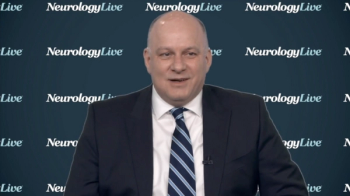
The Director of the Sleep Disorders Center and vice chair of the department of neurology at the UCLA David Geffen School of Medicine detailed how patients and physicians can be proactive in identifying narcolepsy.