
Opinion|Videos|November 2, 2026
AChR vs. MuSK -- Clinical Differences & Inebilizumab Performance
Author(s)Suraj Muley, MD, FAAN, FRCP, FACP
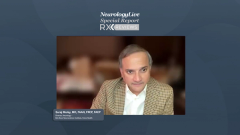
Dr. Muley distinguishes the two antibody subtypes: MuSK autoantibodies are IgG4 (no complement activation); AChR antibodies are IgG1/IgG3 (complement-activating).
Advertisement
Episodes in this series
Dr. Muley distinguishes the two antibody subtypes: MuSK autoantibodies are IgG4 (no complement activation); AChR antibodies are IgG1/IgG3 (complement-activating). This explains why complement inhibitors are more relevant in AChR+ disease and why MuSK+ patients may not respond to them. Because both AChR and MuSK autoantibodies are B cell-derived, inebilizumab's upstream CD19 targeting is effective in both populations. He also highlights MuSK+ clinical features: prominent bulbar symptoms, respiratory involvement, and limited response to pyridostigmine.
Advertisement
Related to this article
The FDA accepted uniQure's biologics license application for ifezuntirgene inilparvovec and granted it Priority Review, setting a target action date of May 1, 2027.
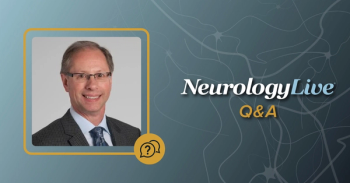
Jeffrey Cohen, MD, professor of neurology and staff physician at the Cleveland Clinic Mellen Center for Multiple Sclerosis, discusses interim BREAKFREE-2 findings for zola-cel, a CD19-directed CAR T cell therapy, in relapsing and progressive MS.
Here's some of what is coming soon to NeurologyLive® this week.
Interim phase 1b/2a data showed all patients treated with high- or low-dose BB-301 for oculopharyngeal muscular dystrophy met formal response criteria.
Test your neurology knowledge with NeurologyLive®'s weekly quiz series, featuring questions on a variety of clinical and historical neurology topics. This week's topic is the history of neurology!

Although ocular signs in LEMS are typically mild and appear late, recognizing them alongside proximal weakness and autonomic symptoms can speed diagnosis and earlier detection of an associated lung cancer.
Take 5 minutes to catch up on NeurologyLive®'s highlights from the week ending October 30, 2026.
Shaida Khan, DO, associate professor of neurology at UT Southwestern Medical Center, reflected on a recent NeurologyLive Clinical Forum on generalized myasthenia gravis and discussed how FcRn and complement inhibitors are reshaping treatment algorithms for the disease.
Advertisement
Advertisement
Trending on NeurologyLive - Clinical Neurology News and Neurology Expert Insights
1
Examining Trontinemab in Early Alzheimer Disease: The Phase 3 TRONTIER 1 and 2 Trials
2
Understanding Cemdisiran's Mechanism of Action in Myasthenia Gravis
3
Benitec Reports Positive Interim Results for BB-301 in Oculopharyngeal Muscular Dsytrophy
4
Insights on the Updated 2026 AHA/ASA Stroke Rehabilitation Guidelines
5