




Dementia and Alzheimer Disease
Latest News
Advertisement
Latest Videos

CME Content









Advertisement
More News
Test your neurology knowledge with NeurologyLive®'s weekly quiz series, featuring questions on a variety of clinical and historical neurology topics. This week's topic is general neurology.
Take 5 minutes to catch up on NeurologyLive®'s highlights from the week ending November 24, 2023.
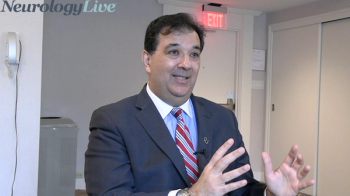
The director of the Banner Sun Health Research Institute provided commentary on his presentation at CTAD 2023 examining the value of donanemab and its effect on specific Alzheimer-related assessments. [WATCH TIME: 10 minutes]

Pixyl.Neuro, a CE-marked medical device, is designed to be integrated into the radiology workflow, providing clinicians with diagnostic support of neuroinflammatory and neurodegenerative disorders.

Here's some of what is coming soon to NeurologyLive® this week.
Take 5 minutes to catch up on NeurologyLive®'s highlights from the week ending November 17, 2023.
Mind Moments®, a podcast from NeurologyLive®, brings you an exclusive interview with Brent Vaughan. [LISTEN TIME: 22 minutes]
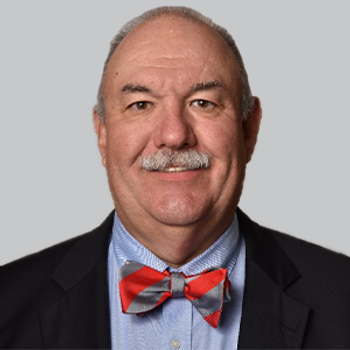
In honor of National Alzheimer’s Awareness Month, held November 2023, Michael K. Racke, MD, medical director of neurology at Quest Diagnostics, delved into some commonly-believed myths about Alzheimer disease and provided his insight on the scientific explanations for these assumptions.

The research neuroscientist at the University of California Berkeley provided insight on findings from the US POINTER study and why previous thoughts on the link between relevant biomarkers and cognition may be slightly incorrect.

Neurofilament light, a marker of neuroaxonal damage, is correlated with increased levels of disease progression and clinical relapses.
The associate director of the Alzheimer’s Disease Research Unit at the Yale School of Medicine discussed the mechanism of action of ALX-001, a highly selective agent in development for neurodegenerative diseases. [WATCH TIME: 5 minutes]
The professor of neurology, psychiatry, and pharmacology at the NYU Grossman School of Medicine commented on the differences in mechanisms and clinical trial data between lecanemab and donanemab. [WATCH TIME: 5 minutes]
Here's some of what is coming soon to NeurologyLive® this week.
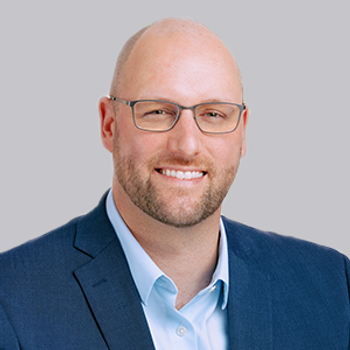
Kevin Church, PhD, chief scientific officer at Athira Pharma, discussed preclinical findings of fosgonimeton where the therapy exhibited procognitive effects among mice models in Alzheimer disease, as presented at CTAD 2023.
Test your neurology knowledge with NeurologyLive®'s weekly quiz series, featuring questions on a variety of clinical and historical neurology topics. This week's topic is Parkinson disease.
Take 5 minutes to catch up on NeurologyLive®'s highlights from the week ending November 10, 2023.
Catch up on any of the neurology news headlines you may have missed over the course of October 2023, compiled all into one place by the NeurologyLive® team.
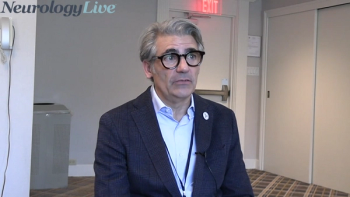
The vice president of Innovation and New Technologies at Grifols provided perspective on the interim phase 2 findings of ABvac40, a vaccine in development for patients with Alzheimer disease. [WATCH TIME: 3 minutes]
The chief medical officer of NeuroTherapia provided insight on promising phase 1b data assessing NTRX-07, a CBR2-targeting agent in development for patients with early-stage Alzheimer disease.
Here's some of what is coming soon to NeurologyLive® this week.
AI could revolutionize patient advocacy by bridging communication gaps between patients and providers, and the synergy of medicine and AI offers a promising avenue for enhanced patient care and operational efficiency.
Test your neurology knowledge with NeurologyLive®'s weekly quiz series, featuring questions on a variety of clinical and historical neurology topics. This week's topic is narcolepsy.

L. John Greenfield Jr, MD, PhD, “spoke” about the future of artificial intelligence in neurology with ChatGPT-4—one of the largest language modules that have grabbed the field’s interest.

There should be a holistic approach to how the systems in place affect equity: how medicine is practiced and research is conducted, the structure of academic institutions, and how media influence our perceptions of neurologic conditions.
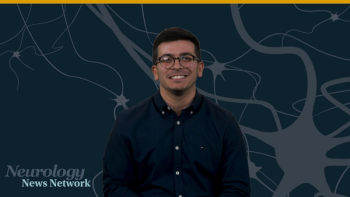
Neurology News Network for the week ending November 4, 2023. [WATCH TIME: 3 minutes]
Advertisement
Advertisement
Trending on NeurologyLive - Clinical Neurology News and Neurology Expert Insights
1
Real-World Data Show Switch to Subcutaneous Ocrelizumab Well Tolerated
2
FDA Accepts Troriluzole NDA Resubmission for Spinocerebellar Ataxia
3
Advances in Spinal Cord MRI for Multiple Sclerosis: Julien Cohen-Adad, PhD
4
New Phase 2 Trial Evaluates Fenebrutinib Dosing in Children With Relapsing MS
5