

Here's some of what is coming soon to NeurologyLive® this week.
Here's some of what is coming soon to NeurologyLive® this week.

Patients who received tirofiban did not differ from placebo in terms of 90-day outcomes, and they showed an increased incidence of symptomatic intracranial hemorrhage.

The director of the Women’s Alzheimer’s Movement Preventer Center at Cleveland Clinic provided perspective on the possibility of gender-specific therapies to overcome disparities in Alzheimer disease. [WATCH TIME: 3 minutes]
Test your neurology knowledge with NeurologyLive®'s weekly quiz series, featuring questions on a variety of clinical and historical neurology topics. This week's topic is sleep disorders.

More than 60% of patients with early-onset dementia with Lewy bodies had a least 3 of the 5 identified factors at first clinic visit, compared with fewer than 20% of those with early-onset Alzheimer disease.

The long-term consequences of untreated—and prevalent—sleep disorders in children and adolescents point to a need for a focus on this field of care.
Neurology News Network for the week ending August 20, 2022. [WATCH TIME: 4 minutes]

The chair of the American Migraine Foundation spoke about the insight gleaned from a recent survey the foundation conducted assessing links between mental health and migraine care. [WATCH TIME: 4 minutes]
Take 5 minutes to catch up on NeurologyLive®'s highlights from the week ending August 19, 2022.
The phase 3 trial will include a double-blind period evaluating the safety and efficacy of cannabidiol (Epidiolex) for 14 weeks, followed by an open-label extension lasting 54 weeks.

Following positive phase 3 findings, a second study featuring more than 300 patients will aim to confirm PXT3003’s effect in patients with Charcot-Marie-Tooth disease type 1a.
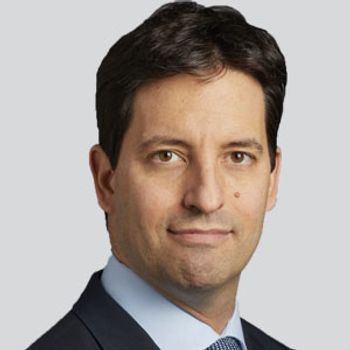
Mendelian randomization analyses identified a significant association between genetically determined chronic kidney disease and intracerebral hemorrhage risk, supporting a causal association between the 2 conditions.

The investigational therapy is a twice-daily injectable identical formulation of the protein ghrelin, being assessed in a 2-part trial including individuals who are highly symptomatic within 28 days of brain injury.
The molecular biologist at the Cleveland Clinic Lerner Research Institute discussed research on the use of GFAP and sTREM2 in discerning dementia with Lewy bodies from Alzheimer disease. [WATCH TIME: 4 minutes]

Joseph E. Sullivan, MD; Kelly Knupp, MD; Mary Anne Meskis; and Tracy Dixon-Salazar, PhD, share insight into the patient and provider journey of LGS and Dravet syndrome, from diagnosis through treatment.
The postdoctoral researcher at King’s College London provided background on why gene therapies have not seen as much success in treating ALS, and the need for additional validation of genetic mutations. [WATCH TIME: 3 minutes]

The correction in Muscle & Nerve resulted in a statistically significant treatment difference of more than 2 points for average change from baseline in ALSFRS-R in the prespecified efficacy subgroup of with a baseline score of at least 35.

Data assessing samples of deep cervical lymph node aspirates and blood suggest that germinal center activity was associated with clinical relapses in individuals with neuromyelitis optica spectrum disorder.
The Edward F. and Barbara A. Bell Family Endowed Chair at Cleveland Clinic discussed seamless adjustment made by patients with Parkinson disease to virtual reality, and the benefits it may bring to care. [WATCH TIME: 4 minutes]

Identified implications of the endocannabinoid system in migraine physiology suggest that this pathway might hold therapeutic potential for some headache disorders.
The postdoctoral researcher at King’s College London provided insight on the immunologic differences between genes linked with ALS, and the important aspects to consider for gene-targeted therapies. [WATCH TIME: 3 minutes]

The director of the Women’s Alzheimer’s Movement Prevention Center at Cleveland Clinic discussed new research which looked at the differences in functional connectivity for men and women of older age.

Data suggest that long-term treatment with immunosuppression therapies, such as rituximab, is generally appropriate for patients with neuromyelitis optica, though transverse myelitis might indicate a higher risk of relapse post discontinuation.

The coauthors of a study assessing costs associated with unused disease-modifying therapies shared their insight into the extended effects of unused treatments in MS, including the importance of transparency between physician and patient. [WATCH TIME: 12 minutes]

Neuromuscular medicine has entered an era of genetic therapy, opening the doors to questions about possible combination approaches and earlier initiation of treatment.

The AAV1 gene therapy, PBFT02, is being assessed in a phase 1/2 trial called upliFT-D (NCT04747431), which is planned to take place over the course of 24 months in patients with frontotemporal dementia with granulin mutations.

Clene Nanomedicine’s gold nanocrystal suspension treatment showed significant improvements in Low Contrast Letter Acuity and Multiple Sclerosis Functional Composite scores among individuals with relapsing multiple sclerosis.
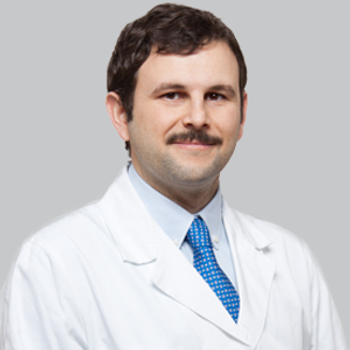
In the first report evaluating transcutaneous auricular VNS in patients with Parkinson disease, significant changes were observed in stride length, swing amplitude, gait speed, and gait time.
The postdoctoral researcher at King’s College London discussed the mechanistic role SARM1 gene mutations play in the development and progression of ALS. [WATCH TIME: 3 minutes]

Despite the availability of medications to relieve OFF episodes in Parkinson disease, widespread adoption of on-demand therapies has been less-than-ideal, marking the need to shift the treatment paradigm in PD.