

A clinical research coordinator at SunnyBrook Health Sciences Centre, explained key factors of the computerized cognitive training program that contributed to cognitive improvement. [WATCH TIME: 3 minutes]
A clinical research coordinator at SunnyBrook Health Sciences Centre, explained key factors of the computerized cognitive training program that contributed to cognitive improvement. [WATCH TIME: 3 minutes]
The neurologist at St. Michael's Hospital shared findings presented at CMSC 2026 from a large dataset on preconception ocrelizumab exposure among women with multiple sclerosis. [WATCH TIME: 5 minutes]
A Parkinson’s patient shares how apomorphine injections and extended-release amantadine smooth OFF time, reduce dyskinesia, yet lingering episodes persist.
Learn how apomorphine injections and extended-release amantadine smooth Parkinson’s OFF time, reduce dyskinesia, and restore mornings.
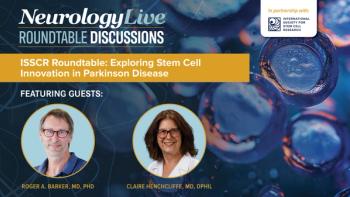
Neurologists Roger Barker, MBBS, MRCP, PhD, FMedSci, and Claire Henchcliffe, MD, DPhil, discuss the development, goals, and educational value of ISSCR's new stem cell medicine course for Parkinson disease.

At CMSC 2026, Jamie Lynn Sigler, an actress and patient advocate, shared her perspective on living with multiple sclerosis, emphasizing informed decision-making and treatment consistency. [WATCH TIME: 7 minutes]

Neurology News Network for the week ending May 30, 2026. [WATCH TIME: 4 minutes]
The director of the Stony Broke MS Comprehensive Care Center reviewed late-breaking subgroup data evaluating high-efficacy therapy in patients with highly active relapsing multiple sclerosis and discussed the evolving role of early intervention. [WATCH TIME: 5 minutes]
Learn how clinicians set CIDP treatment goals: gradual strength gains, managing residual deficits, IVIG tapering, and defining remission.
Sam Amin, MD, reviews the design of the recent phase 3 fenfluramine study in CDKL5 deficiency disorder, highlighting patient eligibility, baseline seizure burden, concomitant medication use, and key efficacy endpoints.
Richard Nowak, MD, MS, discusses how inebilizumab fits within the current gMG treatment landscape, highlighting its upstream CD19-targeted mechanism and sustained clinical benefit compared with other biologic strategies.
Katherine B. Peters, MD, PhD, shares practical insights on prescribing vorasidenib, including patient education, safety monitoring, and how clinicians can confidently integrate this targeted therapy into routine care.
Parkinson’s meds start wearing off; a patient and caregiver reveal how stress, digestion, and honest doctor talks improve symptom control.
A Parkinson’s patient shares early medication choices, dosing challenges, and side effects—plus why sticking to treatment helps him stay active at work and home.
Neurology News Network for the week ending May 16th, 2026. [WATCH TIME: 4 minutes]
FcRn inhibitors emerge for CIDP relapse prevention, yet biomarker gaps and careful transitions from IVIG shape who benefits.
Mitzi Joi Williams, MD, is joined by movement disorder specialists Chantale Branson, MD, MSCR, FAAN, and Keisha Young, MD, PhD, to discuss the causes, evaluation, and management of tremor disorders.
Explore subcutaneous immunoglobulin for CIDP: HYQVIA and HYZENTRA data, who benefits most, and how it compares with IVIG side effects.
Richard Nowak, MD, MS, discusses pharmacodynamic findings from the MINT trial, highlighting rapid and sustained B-cell depletion with inebilizumab and the current limitations of biomarkers in predicting clinical response.
The discussion opens with a clinical overview of CDKL5 deficiency disorder, focusing on the severe seizure burden, associated developmental complications, and the ongoing limitations of current antiseizure treatment strategies.
Katherine B. Peters, MD, PhD, discusses how INDIGO (NCT04164901) findings may shift practice toward earlier treatment in IDH-mutant glioma, even after gross total resection, while highlighting ongoing questions around patient selection and long-term management.

The chief medical executive at Marcus Neuroscience Institute discussed the evolving role of AI, advanced imaging, and precision therapeutics in neurology presented at Baptist Health’s 2026 Brain & Spine Symposium. [WATCH TIME: 5 minutes]
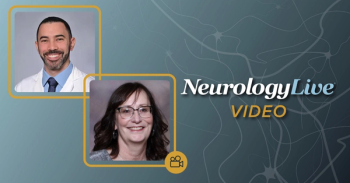
The registered nurse at the University of Miami and the president of the IOMSN discussed advice for younger colleagues, misconceptions about neurology nursing, and more. [WATCH TIME: 10 minutes]
Learn how early Parkinson’s treatment choices—Azilect, Sinemet, and dose tweaks—shape daily life, side effects, and long-term confidence.
A patient recounts misdiagnosis, early Parkinson’s stiffness, freezing, anxiety, and smell loss—plus how symptoms reshape daily life and care.
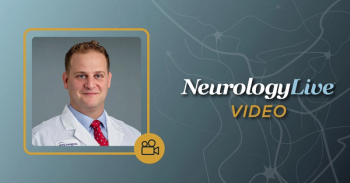
The assistant professor of neurology and ophthalmology at NYU Grossman School of Medicine discussed findings presented at AAN 2026 on the use of optical coherence tomography in pediatric MS. [WATCH TIME: 8 minutes]

Karen Lynch, MD, MRCPI, senior global medical director at Sanofi, discusses how delayed diagnosis in CIDP can contribute to irreversible nerve damage, long-term disability, and reduced functional recovery. [WATCH TIME: 3 minutes]
Neurology News Network for the week ending May 16th, 2026. [WATCH TIME: 5 minutes]
The registered nurse at the University of Miami and the president of the IOMSN shared their thoughts on the unique demands of nursing in neurology, with a particular focus on their experience in multiple sclerosis nursing. [WATCH TIME: 6 minutes]