
The long-term consequences of untreated—and prevalent—sleep disorders in children and adolescents point to a need for a focus on this field of care.
The long-term consequences of untreated—and prevalent—sleep disorders in children and adolescents point to a need for a focus on this field of care.

Identified implications of the endocannabinoid system in migraine physiology suggest that this pathway might hold therapeutic potential for some headache disorders.
Neuromuscular medicine has entered an era of genetic therapy, opening the doors to questions about possible combination approaches and earlier initiation of treatment.

Despite the availability of medications to relieve OFF episodes in Parkinson disease, widespread adoption of on-demand therapies has been less-than-ideal, marking the need to shift the treatment paradigm in PD.
Progress in therapeutics and diagnosis over the past decade has dramatically shifted the treatment landscape for this genetic epilepsy and rapidly advanced patient care.

Achieving greater diversity in study populations is a focus of increasing scrutiny, priority, and funding in all medical research, including studies enrolling individuals on the continuum of prodromal Alzheimer disease, mild cognitive impairment, and Alzheimer disease.
Although new treatments and innovations are a sign of growth in migraine care, it is important to realize that growth comes with a certain amount of pain. In clinical practice, choosing the right treatment option for patients in a time-limited visit is often a dilemma.
Given the importance of mitochondrial and endoplasmic reticulum function in ALS, the disruption of intracellular mitochondria-endoplasmic reticulum contacts presents yet another avenue for neuronal degeneration—perhaps the primary point of underlying dysfunction.
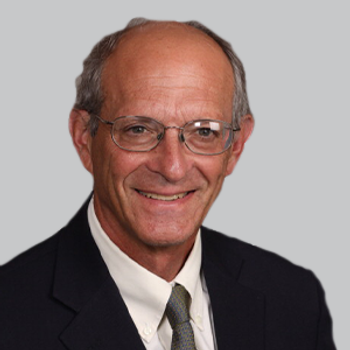
The journey of aducanumab (Aduhelm; Biogen) from development to the FDA is a tortured one, but its path may serve to teach the Alzheimer disease field valuable lessons as it strives forward to develop disease-modifying therapies.

The pandemic has highlighted several large gaps in care that have created challenges for individuals with Parkinson disease, including a framework for addressing mental health and loneliness, and proper care for women with PD.
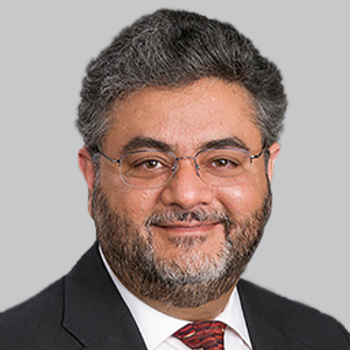
While shutdowns disrupted care for all patients with Parkinson disease, hospitals were forced to postpone elective procedures such as the initial DBS device implantation and implantable pulse generator replacements.
Despite progress in the understanding of Tourette syndrome and similar disorders, no clear cause of TS has been identified, nor are there treatment options that completely eliminate symptoms.
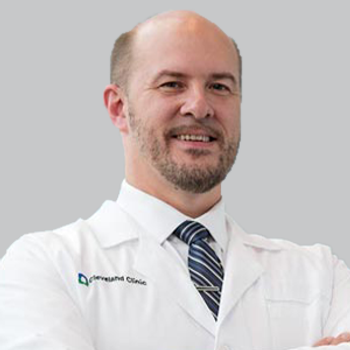
Parkinson disease is neither imminently fatal nor transient but is incurable, and as it affects individuals differently based on their unique identities, culture, access to health care, and social support, it is vital to empower patients.

With the physician deficit projected to grow larger within a decade, this global challenge has become a major focus of large organizations and medical societies.
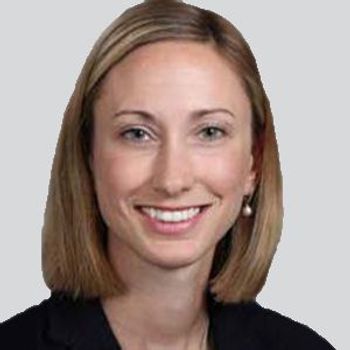
Advances in technology and research have pushed the field to the brink of a revolutionary era of treatment.
Heterogeneity suggests that identifying different types of Parkinson disease could improve patient management, the understanding of underlying disease mechanisms, and the development of target-specific therapies.

With one-third of the 3.4 million US patients with epilepsy currently experience drug-resistant epilepsy, creating an urgent need for novel intervention strategies, such as stimulation approaches.
In a time when complex medical communication to the public is on display, the need to ensure patient comprehension is of utmost importance for vascular neurologists.

Although we have entered the age of genetically targeted therapies in the neuromuscular clinic, there are many unresolved clinical, economic, and ethical questions that require extensive further research.
Theresa Sevilis, DO, writes on picking a career path in medicine as a woman, and how deciding to jump ship from a traditional path was among the best decisions she's made.

For women, the decision to opt for an unconventional career path can be inspired by conflicting responsibilities and balancing life with work. But, as Sana Syed, MD, MPH, explains, following your passion is still an achievable dream despite these challenges.