

Mind Moments®, a podcast from NeurologyLive®, brings you an exclusive interview with James Berry, MD, PhD. [LISTEN TIME: 14 minutes]

Marco Meglio, Assistant Managing Editor for NeurologyLive, has been with the team since October 2019. Follow him on Twitter @marcomeglio1 or email him at mmeglio@neurologylive.com
Mind Moments®, a podcast from NeurologyLive®, brings you an exclusive interview with James Berry, MD, PhD. [LISTEN TIME: 14 minutes]
Over a 4-month treatment period, the agent was well tolerated, with patients showing no significant changes in ADAS-Cog or CDR-SB scores, indicating no cognitive decline.

Comprised of the recharge-free Proclaim SCS family and the rechargeable Eterna SCS platform, the approval for Abbott’s spinal cord stimulation system was backed by the large-scale, DISTINCT study.

Findings from the 12-week study showed a significant decrease in total number of new gadolinium-enhancing lesions in patients with relapsing MS on fenebrutinib relative to placebo.
Following thymectomy, more than 80% of patients with myasthenia gravis showed symptom improvement, as demonstrated by changes in Myasthenia Gravis Foundation of America scores.
The director of the Sleep Disorders Center and staff in the Epilepsy Center at Cleveland Clinic provided perspective on the current state of sleep and epilepsy research, including the role of postical generalized EEG suppression as a biomarker for SUDEP.

Improvements seen in patients with CDD during the 12-week maintenance period of the study were similar to that observed in a recent trial of ganaxolone, the first FDA-approved therapy for CDD.

Regardless of highly different demographics and smaller sample size, the association between amyloid in the brain and plasma was influenced by overall vascular risk score, and was only consistently observed in APOE ɛ4 carriers.
Timothy A. Leichliter, MD, a neurologist at Allegheny Health Network, provided context on the institution’s boxing program for Parkinson disease, and the need for patients to remain active.

Participants with rheumatoid arthritis had a 1.74-fold higher risk of PD compared with those without, raising importance of an elevated risk.

Positive associations between preexisting obstructive sleep apnea and probable post-acute sequelae among adults were attenuated but remained significant after adjusting for other comorbidities.

The FDA is set to make a final decision later this month and, if approved, SRP-9001 would be the first gene therapy specific to treat Duchenne muscular dystrophy.

Taken together, the findings added to the growing evidence that widespread immunological and autonomic nervous system changes may contribute to long COVID.

The approval was based on 2, positive phase 3 studies in which brexpiprazole-treated patients demonstrated a 31% greater reduction in frequency of agitation symptoms vs those on placebo.

The strongest associations observed in the study were between microglial activation at the rim of chronic T1 hyperintense lesion and in the perilesional normal appearing white matter and serum neurofilament light.

To date, the enzyme replacement therapy had been studied in a comprehensive clinical development program that comprised more than 140 patients with Fabry disease with up to 7.5 years of follow up treatment.
The director of the Mayo Clinic Center for Multiple Sclerosis and Autoimmune Neurology provided perspective on a phase 3 study of patients with NMOSD in which no relapses were recorded while on ravulizumab.

In transgenic mouse models, treatment with PMN310 resulted in preserved memory, to the extent that treated mice were indistinguishable from non-transgenic control mice.
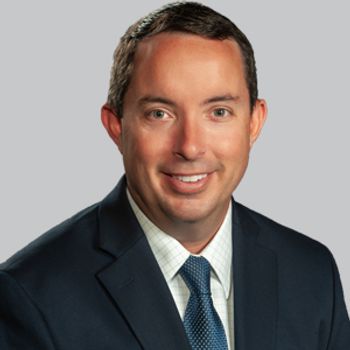
Nicholas Johnson, MD, MSci, FAAN, division chief of neuromuscular disorders and vice chair of research, Virginia Commonwealth University, provided insight on promising phase 1/2 data of AOC 1001 in myotonic dystrophy type 1.

Poor higher order vision at baseline was associated with worsening cognition and increased probability of death, dementia, or frailty over 3 years.

Digital technologies like the DCTclock are revolutionizing the way clinicians across all specialties can quickly assess for cognitive decline, an issue in today's aging society.

In a subgroup of individuals with secondary progressive MS, 50% of patients on mesenchymal stem cell-neural progenitor therapy improved muscle strength compared with 33% of those on placebo.

In addition to increased risk of dementia, focal epilepsy was associated with widespread structural brain change reflected by lower total hippocampal and total gray matter volume.

Teriflunomide, an FDA-approved therapy for relapsing forms of multiple sclerosis, resulted in an 62% risk reduction relative to placebo in preventing a first clinical event in patients with RIS.

Designed for self-directed use in a patient’s home or a healthcare facility, the Cumulus EEG device has potential to change the clinical trial landscape, allowing researchers to conduct more remote studies.

Over 48 weeks of treatment, ALXN1480 was found to be generally well-tolerated, with improvements seen in Clinical Global Impression-Improvement scores and UWDRS Parts II and III.

The 2-part study is intended to first establish safety and tolerability of multiple doses of CK0803, followed by efficacy analyses on several known ALS outcome measures.

For those with an intermediate level of tau and clinical symptoms of Alzheimer disease, treatment with donanemab resulted in a 39% lower risk of progressing to the next stage of disease relative to placebo.
The chief scientific officer at Alzheon discussed new, positive 12-month findings on ALZ-801, an investigational agent in development for patients with early-stage Alzheimer disease.

Total disease burden, measured by the Facioscapulohumeral Muscular Dystrophy Health Index, was reduced by 19% over a 24-week period on recombinant human growth hormone.