
"Mind Moments," a podcast from NeurologyLive, brings you an exclusive interview with Michael J. Thorpy, MD.
"Mind Moments," a podcast from NeurologyLive, brings you an exclusive interview with Michael J. Thorpy, MD.
While the relationship between sleep and cognition needs to be further studied, sleep-based interventions may be a future approach to help prevent cognitive decline.
Biogen’s investigational antibody against the N-terminus of tau failed to meet any of the efficacy or exploratory end points in individuals with mild cognitive impairment or mild Alzheimer disease.
The director of the Headache Center of Southern California discussed research opportunities for layered treatment approaches in migraine.
Primary and secondary end points of the trial will assess safety and both cognitive and functional efficacy, measured through ADAS-Cog, ADCS-ADL, and CDR-SB.

The medical director of the Ohio State Sleep Medicine Institute detailed the progress made within the sleep disorder field in recent years and where it can turn to next.
Two experts in pediatric MS care, Lauren B. Krupp, MD, and Tanuja Chitnis, MD, offer tips and insight on the diagnosis of the disease and the specific challenges faced by patients stemming from their own clinical experience.

The Distinguished Professor of Neuromuscular Disease at UNC School of Medicine discussed the findings of the ADAPT trial and the promise efgartigimod has shown to be an effective agent for generalized myasthenia gravis.
Santhera and ReveraGen announced findings of the phase 2b VISION DMD study of the investigational therapy.

ALS has only recently been associated with causative or disease-modifying mutations in 20 genes that encode proteins with diverse functions, with promising therapeutic targets including proteins in pathways that regulate protein homeostasis.
The nurse practitioner at the Woodruff School of Nursing at Emory University detailed why a cultural shift is needed to incorporate APCs into the neurology space and thus improve multidisciplinary care.
The director of the Sleep-Wake Disorders Center at Montefiore Medical Center detailed the overall state of sleep care and the advantages the investigational FT218 brings to the growing pipeline.
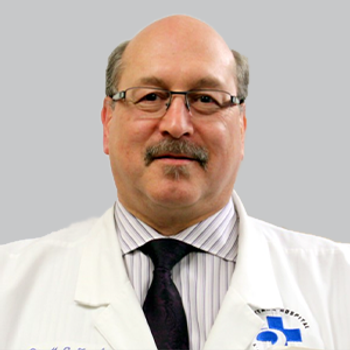
All agree that having a simple, standardized serum biomarker to measure disease activity would offer the greatest utility in treating a medical condition such as MS, which now has a variety of graded therapies available.
The investigator at the Healey & AMG Center for ALS at Massachusetts General Hospital also discussed further research that needs to be done in ALS.

Bayer provided an update on their phase 1 and 1b studies of dopaminergic neurons and GDNF gene therapy, respectively, for the treatment of PD.
A pharmacokinetic/pharmacodynamic model indicated that the exposures predicted with a higher dose of nusinersen may lead to more clinically meaningful increases of at least 5 points on CHOP INTEND score.

The director of the Montefiore Headache Center discussed future aspirations and potential combinations that should be researched to treat patients with migraine.
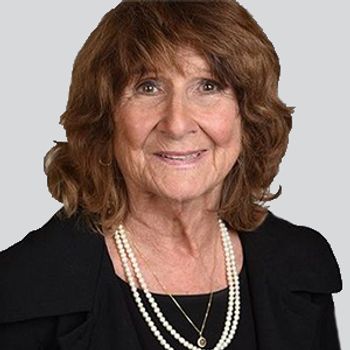
These consensus guidelines are significant not only for their key updates to clinical practice but for their representation of a more unified, global approach to diagnosing and monitoring patients with multiple sclerosis.
The program director of the Medstar Georgetown University Hospital Headache Medicine Fellowship program discussed the potential of INP104 to improve migraine patient care.
Higher maximum third-trimester ASM blood levels were associated with significantly lower BSID-III scores for the motor domain and lower scores for the general adaptive domain.

Despite a few surprising program failures early this year, there is plenty of potential worth holding on to in the Huntington disease pipeline.

The medical director of the Westport Headache Institute spoke to the role that devices can play in layered and variable treatment approaches, and how this better lends itself to offering personalized treatment to different individuals with migraine

Here's what is coming soon to NeurologyLive.

The task force assessed 6 total interventions, all of which received conditional recommendations aside from cognitive behavioral therapy for insomnia, which was strongly recommended.
The director of the Headache Center of Southern California shared his thoughts on the factors and barriers that go into conducting trials that treat patients with migraine with multiple drugs.

Results from the START study of medication switching in narcolepsy were presented at the 2021 SLEEP Annual Meeting.

The director of the Sleep-Wake Disorders Center at Montefiore Medical Center discussed the formulaic background of FT218 and why it’s so effective in treating sleep disorders.
When paired with the Percept PC device, SenSight expands on BrainSense technology, enabling clinicians to capture and record enhanced, directional local field potential information from the implanted lead.
Neurology News Network for the week ending June 12, 2021.
Take 5 minutes to catch up on NeurologyLive's highlights from the week ending June 11, 2021.