





MS and Demyelinating Disorders
Latest News
Advertisement
Latest Videos
CME Content






Advertisement
More News
An overview of newer preventive therapies approved for acute attacks of neuromyelitis optica spectrum disorders, and variables that impact treatment selection.
Here's what is coming soon to NeurologyLive.
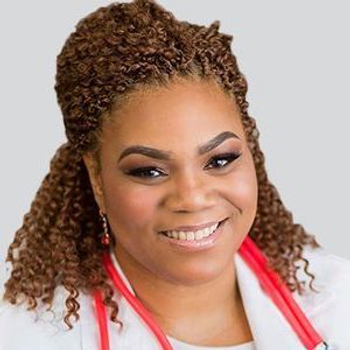
Mitzi Joi Williams, MD, offered her perspectives on the patient and physician roles in MS care, the need for comprehensive care teams, resources for patients, and ongoing research.
Take 5 minutes to catch up on NeurologyLive's highlights from the week ending October 1, 2021.
Recommendations surrounding the use of complementary and natural therapies to manage symptoms of multiple sclerosis (MS).
Best practices for establishing treatment plans for patients with relapse-remitting multiple sclerosis (RRMS) and making decisions to switch therapies based on inadequate treatment responses, relapse, or disease progression.

As the MS patient population includes more patients from the millennial generation, the founder and CEO of the Joi Life Wellness Group Multiple Sclerosis Center offered her insight on the way care differs for this generation compared with prior ones. [WATCH TIME: 4 minutes]
Expert clinicians offer their perspectives on the ongoing shortage of neurologists, transgender and gender-diverse individuals with migraine, artificial intelligence and neuroimaging, Student Sleep Health Week 2021, and the importance of rehabilitation therapy in multiple sclerosis.
The physical therapist at UC Health and cochair of the International Organization of MS Rehabilitation Therapists discussed the importance of the care team for patients with MS and the role effective communication plays. [WATCH TIME: 4 minutes]

The study is the first to provide data from all Latin American countries, further identifying geographic-resultant limitations of access to technology and therapy for NMOSD.
Mitzi Joi Williams, MD, shares her insights about differences in treatment and approach between millennial patients and the older generations of those with MS.
The first-of-its-kind, peer-nominated recognition program will celebrate the comprehensive care community in multiple sclerosis.
Types of testing that can help neurologists distinguish between acute attacks of neuromyelitis optica spectrum disorders (NMOSD) and multiple sclerosis, as well as therapies that can be used to help manage patients with NMOSD.
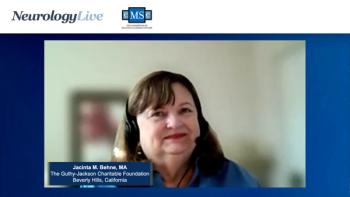
Jacinta M. Behne, MA, describes how the Guthy-Jackson Charitable Foundation supports patients with neuromyelitis optica spectrum disorders.
Here's what is coming soon to NeurologyLive.

Between PREVENT baseline and end, mean EDSS and Hauser Ambulation Index scores improved with eculizumab (Soliris; Alexion) monotherapy and deteriorated with placebo alone.

The findings identified Th2-related cytokines as characterizing for the prognosis of acute episodes of NMOSD at 1 month and found serum NfL to be a likely biomarker of disease severity at attack.
Take 5 minutes to catch up on NeurologyLive's highlights from the week ending September 24, 2021.
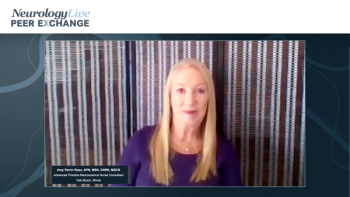
An overview of fumarates available as treatment for relapsing multiple sclerosis and recommendations for counseling and caring for patients on these therapies.
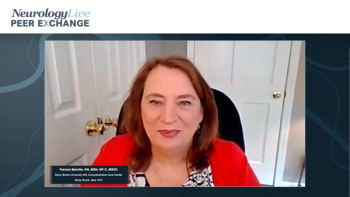
Considerations for using anti-CD20 therapies versus other available treatment options for relapsing multiple sclerosis.

"Mind Moments," a podcast from NeurologyLive, brings you an exclusive interview with Patricia Bobryk, MHS, PT, MSCS, ATP.
More than 80% of those with NMOSD experienced disease relapse 6 months after discontinuation of immunosuppressive therapy.

The director of IT and Neuroinformatics Development at the Buffalo Neuroimaging Analysis Center discussed future neuroimaging projects the center is evaluating and where the focus turns to next. [WATCH TIME: 3 minutes]
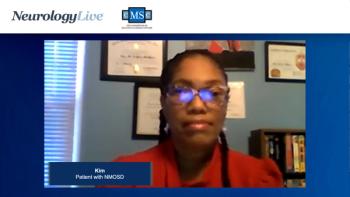
Doug and Kim, patients with neuromyelitis optica spectrum disorders, describe the types of symptoms that prompted each of them to seek an evaluation by a neurologist for an eventual diagnosis of a neuromyelitis optica spectrum disorder.
Mayo Clinic’s Brian G. Weinshenker, MD, compares multiple sclerosis with neuromyelitis optica spectrum disorders (NMOSD) and explains why community neurologists need to receive more education on NMOSD risk factors and symptoms.
Advertisement
Advertisement
Trending on NeurologyLive - Clinical Neurology News and Neurology Expert Insights
1
uniQure Submits BLA for Gene Therapy in HD, AAN, AHS Issue Updated Guideline on Migraine Prevention, CTE Prevalence, Brain Donation Findings in Former NFL Players
2
American Academy of Neurology, American Headache Society Issue Updated Guideline on Migraine Prevention
3
uniQure Submits BLA for Gene Therapy in Huntington Disease
4
FDA Approves Zilganersen, First Treatment for Alexander Disease
5