


Sleep Disorders
Latest News
Advertisement
Latest Videos



Advertisement
More News

A study conducted via telemonitoring showed that hospital workers who performed night shifts had significant negative impacts on their sleep quality and circadian rhythms.

The odds of having memory worsening at follow-up after 3 years were almost 30% greater for those who exhibited deteriorating insomnia status than those who showed signs of improvement.
Data from a systemic review suggests that the COVID-19 pandemic is associated with increased rates of subthreshold insomnia symptoms, but not with moderate or severe insomnia, among the global population.
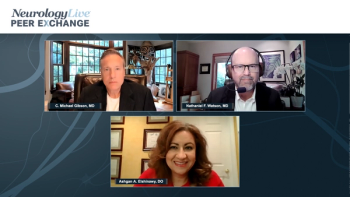
Ashgan A. Elshinawy, DO, leads a discussion on the co-occurrence and relationship between sleep disorders and different health conditions in patients.
Dr Nathaniel F. Watson, MD, provides insight on the prevalence of various sleep disorders, including insomnia, and patient populations at high-risk for developing these disorders.
Here's some of what is coming soon to NeurologyLive® this week.
Take 5 minutes to catch up on NeurologyLive®'s highlights from the week ending October 7, 2022.
Mind Moments®, a podcast from NeurologyLive®, brings you an exclusive interview with Yuri Maricich, MD, MBA. [LISTEN TIME: 30 minutes]
Expert clinicians offer their perspectives on developmental milestones for children, the NMSOD patient perspective, effective treatments for insomnia, ALS, diabetic and inflammatory neuropathies, and lecanemab in early Alzheimer disease.
Catch up on any of the neurology news headlines you may have missed over the course of the last month, compiled all into one place by the NeurologyLive® team.

Findings from a nonrandomized controlled trial in the Netherlands suggest that sleep time of hospitalized patients may be significantly improved with nonpharmacologic interventions such as the postponement of morning vital sign checks and medication administration rounds from the night to the day shift.
Here's some of what is coming soon to NeurologyLive® this week.
Test your neurology knowledge with NeurologyLive®'s weekly quiz series, featuring questions on a variety of clinical and historical neurology topics. This week's topic is general neurology, related to the recent 4th Annual International Congress on the Future of Neurology®.

Sleep changes experienced by patients on apomorphine infusion were indicated by scores on Insomnia Severity Index and Clinical Global Impression-Improvement Scale.
Take 5 minutes to catch up on NeurologyLive®'s highlights from the week ending September 23, 2022.
In a randomized clinical trial, the application of electroacupuncture treatment for insomnia in patients with depression significantly improved the quality of sleep in comparison with sham acupuncture or the control group.
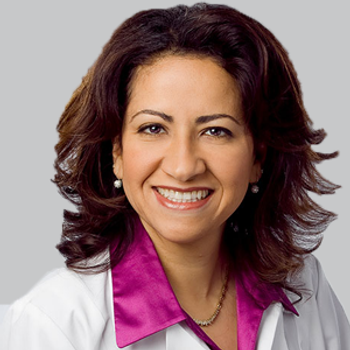
Ashgan Elshinawy, DO, a pulmonologist at Penn Medicine, assessed the current ways to treat patients with insomnia and the areas of needed improvement.
The pulmonologist at Penn Medicine provided commentary on the pressing issues clinicians continue to face when treating patients with insomnia. [WATCH TIME: 3 minutes]
In a randomized controlled trial, results demonstrated that acupuncture is to be efficacious in improving insomnia, quality of life, and affective symptoms for patients with ischemic stroke.
Here's some of what is coming soon to NeurologyLive® this week.
Test your neurology knowledge with NeurologyLive®'s weekly quiz series, featuring questions on a variety of clinical and historical neurology topics. This week's topic is the history of the American Association of Neuromuscular & Electrodiagnostic Medicine.
Take 5 minutes to catch up on NeurologyLive®'s highlights from the week ending September 23, 2022.
Here's some of what is coming soon to NeurologyLive® this week.
The pulmonologist at Penn Medicine provided an evaluation on whether patients with insomnia receive optimal care, and which treatments have proven to be most effective. [WATCH TIME: 3 minutes]
Test your neurology knowledge with NeurologyLive®'s weekly quiz series, featuring questions on a variety of clinical and historical neurology topics. This week's topic is stroke and cerebrovascular disease.
Advertisement
Advertisement
Trending on NeurologyLive - Clinical Neurology News and Neurology Expert Insights
1
FDA Issues Second Complete Response Letter for Deramiocel in Duchenne Muscular Dystrophy
2
FDA Approves Cemdisiran as New Treatment for Generalized Myasthenia Gravis
3
FDA Approves Venglustat as First Therapy for Neurological Manifestations of Type 3 Gaucher Disease
4
Phase 2 SPINOZA Trial to Test CETP Inhibitor Obicetrapib in APOE-Stratified Preclinical Alzheimer Disease
5