



Sleep Disorders
Latest News
Advertisement
Latest Videos



CME Content












Advertisement
More News

Here's some of what is coming soon to NeurologyLive® this week.
Test your neurology knowledge with NeurologyLive®'s weekly quiz series, featuring questions on a variety of clinical and historical neurology topics. This week's topic is neuromuscular disorders.
Take 5 minutes to catch up on NeurologyLive®'s highlights from the week ending July 15, 2022.
Here's what is coming soon to NeurologyLive®.
Test your neurology knowledge with NeurologyLive®'s weekly quiz series, featuring questions on a variety of clinical and historical neurology topics. This week's topic is stroke and cerebrovascular disease.
Take 5 minutes to catch up on NeurologyLive®'s highlights from the week ending July 8, 2022.

Ruth Benca, MD, PhD, a professor and the chair of Psychiatry & Human Behavior at Wake Forest School of Medicine, provided insight on the age- and sex-related differences in sleep disorders, and the needed research on the effects of therapeutics in older populations.

Expert clinicians offer their insight on the sleep disorder landscape, the state of mental health in pediatric migraine, an inaugural movement disorders congress, a novel stroke rehabilitation tool, and psychedelics in cluster headache.
Catch up on any of the neurology news headlines you may have missed over the course of the last month, compiled all into one place by the NeurologyLive® team.
Here's what is coming soon to NeurologyLive®.
Test your neurology knowledge with NeurologyLive®'s weekly quiz series, featuring questions on a variety of clinical and historical neurology topics. This week's topic is epilepsy and seizure disorders.
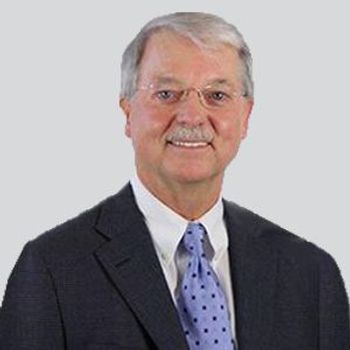
Richard Bogan, MD, FCCP, FAASM, associate clinical professor, University of South Carolina School of Medicine, provided commentary on multifunctional capabilities of Xywav and how the medication has improved care for narcolepsy and idiopathic hypersomnia.
Take 5 minutes to catch up on NeurologyLive®'s highlights from the week ending July 1, 2022.
Here's what is coming soon to NeurologyLive®.
Test your neurology knowledge with NeurologyLive®'s weekly quiz series, featuring questions on a variety of clinical and historical neurology topics. This week's topic is Alzheimer disease and dementia.
Take 5 minutes to catch up on NeurologyLive®'s highlights from the week ending June 24, 2022.

The professor and chair of Psychiatry & Human Behavior at Wake Forest School of Medicine discussed the major talking points regarding sleep quality, sleep disorders, and late-life neurocognitive issues.
Here's what is coming soon to NeurologyLive®.
Test your neurology knowledge with NeurologyLive®'s weekly quiz series, featuring questions on a variety of clinical and historical neurology topics. This week's topic is movement and related disorders.
Take 5 minutes to catch up on NeurologyLive®'s highlights from the week ending June 17, 2022.

The graduate student at the University of Michigan provided insight on the ways to expand the current knowledge about the disparities among races and genders in sleep quality and long-term cognitive outcomes. [WATCH TIME: 3 minutes]

Mind Moments®, a podcast from NeurologyLive®, brings you exclusive interviews with Afsara Zaheed; Richard Bogan, MD, FCCP, FAASM; and Ruth Benca, MD, PhD. [LISTEN TIME: 18 minutes]

The associate clinical professor at the University of South Carolina School of Medicine discussed the strides, but also challenges still in treating patients with narcolepsy. [WATCH TIME: 2 minutes]
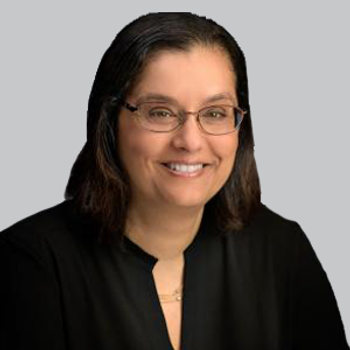
Galit L. Dunietz, PhD, MPH, assistant professor of neurology, University of Michigan, provided insight on women’s health, menopause cycles, and how sleep can have a direct impact on long-term cognitive health.
Here's what is coming soon to NeurologyLive®.
Advertisement
Advertisement
Trending on NeurologyLive - Clinical Neurology News and Neurology Expert Insights
1
AMO Pharma Aligns With Regulators on Registrational Study for AMO-02 in Myotonic Dystrophy
2
TEMPO-2 Data Supports Tavapadon’s Efficacy in Early-Stage Parkinson Disease
3
FDA Clears PrecivityAD2 Alzheimer Blood Test for Symptomatic Patients 40 and Older
4
FDA Grants Fast Track Designation to Remlifanserin for Alzheimer Disease Psychosis
5